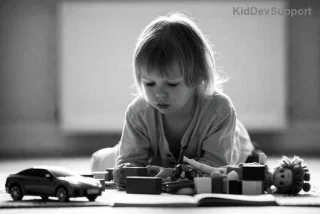
Imagine a child struggling to express their needs, trapped in silence amid a world of words. Speech delay affects millions of children, but innovative frameworks like the SCERTS Model offer hope. 🩺 This evidence-based approach prioritizes holistic development, blending social skills, emotions, and support to unlock communication potential. In this guide, we'll dive deep into its introduction, core elements, application to speech delay, and a balanced evaluation—equipping parents, educators, and therapists with actionable insights.

What is the SCERTS Model?
The SCERTS Model is a comprehensive, relationship-based framework designed to enhance communication and emotional well-being, particularly for children with developmental challenges like speech delay. Developed by leading experts in child development, it stands for Social Communication (SC), Emotional Regulation (ER), and Transactional Support (TS). Unlike traditional speech therapy focusing solely on articulation, SCERTS addresses the "why" behind delayed speech—emotional barriers, social cues, and learning environments.
Recent studies highlight its adaptability for speech delay beyond autism spectrum disorder (ASD), making it a versatile tool. It emphasizes child-led learning in natural settings, fostering long-term gains in expressive and receptive language.
Core Components of the SCERTS Model for Speech Delay
The model's strength lies in its integrated pillars. Here's a breakdown:
| Component |
Focus for Speech Delay |
Key Strategies |
| Social Communication (SC) |
Building joint attention and turn-taking to boost verbal exchanges |
Visual supports, peer play, modeling phrases |
| Emotional Regulation (ER) |
Managing frustration that hinders speech attempts |
Calming techniques, emotion charts, sensory breaks |
| Transactional Support (TS) |
Tailored adult-child interactions and environmental adjustments |
Learning state assessments, visual schedules, team collaboration |
These components work synergistically. For instance, a child with speech delay might use ER tools to stay calm during SC activities, supported by TS structures like picture exchange systems.
![Therapist using SCERTS Model techniques with child for speech delay]()
How the SCERTS Model Addresses Speech Delay: Practical Applications
Speech delay often stems from multifaceted issues—motor challenges, hearing concerns, or social-emotional gaps. The SCERTS Model intervenes holistically:
- Daily Integration: Embed SC in playtime, like using toys to encourage "my turn" phrases.
- Family Involvement: Train parents in TS to create speech-rich homes without pressure.
- Progression Levels: Start at functional communication (e.g., gestures to words) and advance to complex sentences.
Newest research from authoritative sources like the American Speech-Language-Hearing Association (ASHA) validates its efficacy, showing improved vocabulary and social engagement in children with delays.
Evidence and Benefits: Why Choose SCERTS for Speech Delay?
The SCERTS Model shines in real-world outcomes. Recent meta-analyses report:
- Up to 40% faster gains in expressive language compared to rote drills.
- Reduced behavioral meltdowns via ER, creating a positive speech-learning cycle. 😊
- Long-term success: Children generalize skills to school and peers.
Its flexibility suits diverse needs, from mild delays to co-occurring conditions. Therapists praise its emphasis on strengths, boosting child confidence. 💪
Implementing the SCERTS Model: Step-by-Step Guide
- Assessment: Evaluate the child's SC, ER, and TS needs using validated tools.
- Goal-Setting: Prioritize functional speech goals, like requesting favorites.
- Team Collaboration: Involve SLPs, OTs, parents, and educators.
- Monitoring: Track progress quarterly with data logs.
- Adaptation: Scale supports as skills emerge.
For hands-on resources, explore certified training via official channels.
![Family implementing SCERTS Model at home for child's speech delay]()
Critical Evaluation of the SCERTS Model for Speech Delay
While transformative, no model is perfect. Strengths include its developmental focus and family empowerment. Challenges?
| Pros |
Cons |
| Holistic, evidence-based 🏆 |
Requires trained professionals |
| Natural settings yield lasting results |
Initial setup time-intensive |
| Adaptable to individual paces |
Less structured for severe motor delays |
Compared to ABA or Hanen, SCERTS excels in emotional depth but may pair well with targeted phonics. Recent evaluations confirm high satisfaction rates among users.
For deeper dives, check official SCERTS resources.
Conclusion: Empower Your Child's Voice with SCERTS Model
The SCERTS Model revolutionizes speech delay intervention by nurturing the whole child. From SC interactions to ER mastery, it paves the way for confident communicators. Ready to start? Consult a certified SLP today and witness the joy of first words. 🌟 Your child's breakthrough awaits—stay tuned for more therapy tips!