If you're worried about your child's speech development, you're not alone. Many parents notice speech delays early on, but the good news is that speech therapy tips you can implement at home make a huge difference. These simple, evidence-based strategies, drawn from the latest guidelines by speech-language experts, empower you to support your little one's communication skills without waiting for professional sessions. Ready to start? Let's dive into actionable home speech therapy techniques that deliver real progress.
Recognizing Speech Delays: When to Act
Early intervention is key. Children typically babble by 6 months, say first words around their first birthday, and form simple sentences by age 2. If milestones are missed, speech therapy at home can bridge the gap. Recent studies highlight that consistent daily practice improves articulation and vocabulary by up to 30% in just weeks. Look for signs like limited sounds, frustration during communication, or unclear speech—and jump into these tips now.
Why Home Speech Therapy Works Wonders 🗣️
Home speech therapy turns everyday moments into learning opportunities. It's flexible, cost-free, and builds confidence in a familiar environment. Experts emphasize parent-child interaction as the foundation, mimicking professional techniques like modeling correct sounds and expanding on your child's attempts. Commit to 10-15 minutes daily, and watch vocabulary explode while bonding strengthens.
Essential Speech Therapy Tips for Beginners
Start with these foundational speech therapy exercises. They're age-appropriate, fun, and require no special tools.
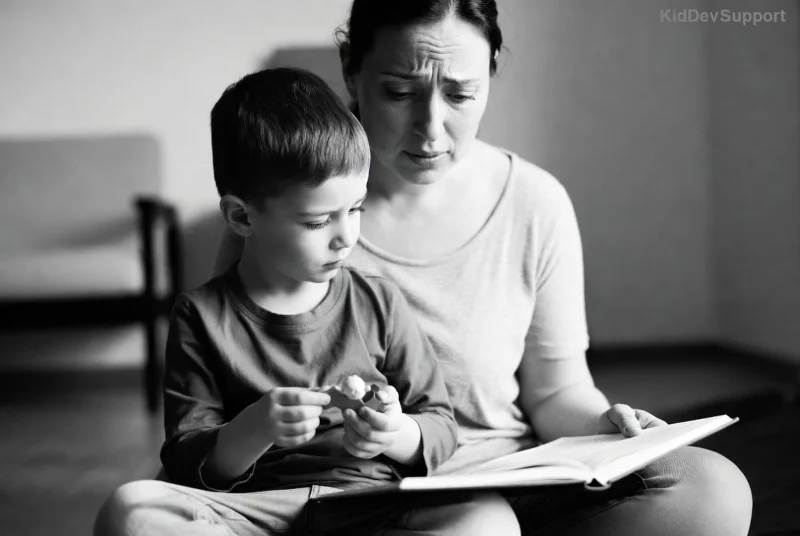
- Read Aloud with Expression: Pick colorful books and read dramatically. Point to pictures, exaggerate sounds, and pause for your child to fill in words. This boosts phonemic awareness.
- Mirror Time: Face a mirror together. Make silly faces and sounds like "ahh" or "oooh." It helps with oral motor skills and self-awareness.
- Sing and Rhyme: Nursery rhymes like "Itsy Bitsy Spider" emphasize rhythm and repetition, aiding memory and pronunciation.
Age-Specific Speech Delay Activities: A Quick Guide
Tailor activities to your child's stage for maximum impact. Here's a handy table of speech therapy tips by age:
| Age Group |
Activity |
How It Helps |
Duration |
| 6-12 Months |
Peek-a-Boo with Sounds |
Encourages babbling and turn-taking |
5-10 mins |
| 1-2 Years |
Animal Noises Game |
Builds vocabulary and imitation |
10 mins |
| 2-3 Years |
Blowing Bubbles |
Strengthens lip and tongue control |
15 mins |
| 3+ Years |
Simon Says with Actions |
Improves following directions and clear speech |
15-20 mins |
![Family practicing home speech therapy exercises]()
Advanced Home Speech Therapy Tips for Faster Results
Once basics are in place, level up with these targeted speech delay activities:
- Picture Naming Flashcards: Print free pictures (or use apps) and name objects slowly. Ask "What's this?" to prompt responses. Recent tools from speech apps enhance engagement.
- Straw Blowing Races: Blow through straws into water for bubbles. This oral exercise clarifies sounds like /s/ and /sh/.
- Story Retelling: After reading, ask "What happened next?" to build narrative skills and sentence structure.
- Tongue Twisters: Start simple like "Baby bunny bounces." Repeat for fluency practice.
Pro Tip: Record sessions on your phone. Playback helps your child hear progress, motivating continued practice.
Common Mistakes to Avoid in Home Speech Therapy
Don't correct harshly—model instead. If your child says "ba" for ball, respond "Yes, ball!" without pressure. Avoid screens over interaction; latest research shows face-to-face trumps digital every time. Track progress weekly: Note new words or clearer sounds to stay encouraged.
Fun Games That Double as Speech Therapy Exercises
Keep it playful! Try "I Spy" for descriptive language: "I spy something red." Or puppet shows where toys "talk," encouraging imitation. These at home speech exercises disguise therapy as play, ensuring your child begs for more.
Nutrition and Environment Boosts for Speech Success 🥦
Support from within: Foods like yogurt strengthen mouths, while a quiet, toy-clutter-free space minimizes distractions. Hydration aids clear articulation too. Combine with tips above for holistic gains.
When to Seek Professional Help
These speech therapy tips are powerful starters, but if delays persist beyond 3 years or include hearing issues, consult a specialist. Early pro therapy amplifies home efforts—many offer tele-sessions now.
Your Next Steps: Start Today and See Change Tomorrow! 🌟
Pick 2-3 tips from this guide and commit daily. In weeks, you'll notice chattier, happier interactions. Share your wins in comments below—what's your go-to activity? For more resources, explore expert speech development guides. You've got this—transform speech challenges into triumphs right at home!