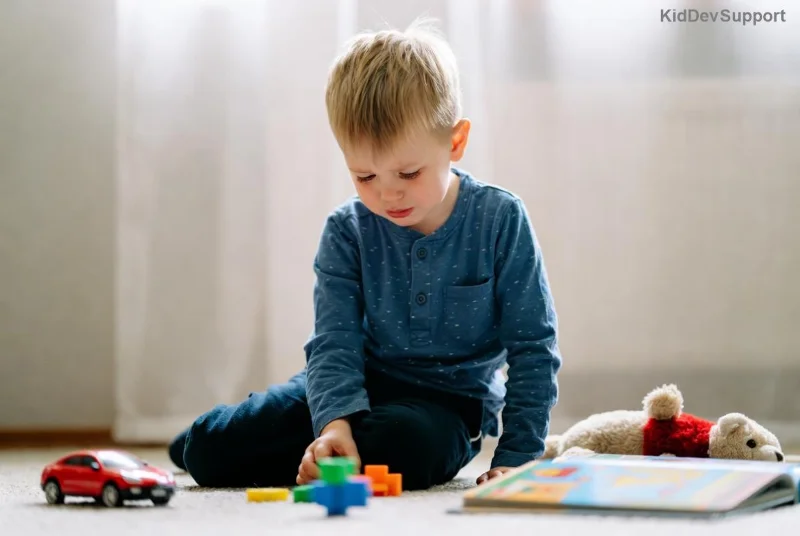
Is your little one struggling to find their voice? Speech delay affects up to 1 in 10 toddlers, but with the right approach, you can make a world of difference. How to model language for toddlers with speech delay is a powerful, evidence-based strategy recommended by speech-language pathologists. This guide breaks it down into actionable steps, helping you foster communication from home. Keep reading to transform playtime into powerful learning moments. 👶🗣️

What is Language Modeling and Why It Works for Speech Delay?
Language modeling involves providing rich, repetitive language input during everyday interactions. Instead of quizzing your toddler ("What’s this?"), you narrate and expand on their actions and sounds. Recent studies from leading speech therapy organizations highlight that consistent modeling boosts vocabulary by up to 30% in children with delays.
For toddlers aged 18-36 months with speech delay, this technique mimics natural language acquisition. It reduces frustration, builds confidence, and encourages imitation. Unlike drills, it's playful and pressure-free—perfect for busy parents.
Recognizing Speech Delay in Toddlers: Early Signs
Spotting speech delay early is key. Common red flags include:
- No babbling by 12 months
- Fewer than 50 words by 24 months
- Difficulty combining words by 30 months
- Limited eye contact during communication
If these resonate, consult a pediatrician. Tools like the CDC's milestone tracker offer quick checks—a must for proactive parents.
Step-by-Step Guide: How to Model Language Effectively
Ready to start? Follow this proven framework, backed by the newest guidelines from speech-language experts.
Step 1: Follow Your Child's Lead
Observe and comment on what your toddler does. If they stack blocks, say, "You're building a tall tower! Up, up, up!" This mirrors their interest, making language relevant.
Step 2: Use Parallel Talk
Narrate actions in simple, present-tense sentences: "Ball rolls. Red ball rolls fast!" Keep it short—2-4 words for beginners.
Step 3: Expand and Extend
Take their utterance and add. Child says "ball," you reply, "Big red ball!" This teaches new words without correction.
Step 4: Repeat, Repeat, Repeat
Repetition is the secret sauce. Use the same phrases during routines like mealtime or bath time for reinforcement.
![Parent modeling language during play with toddler]()
Top Language Modeling Techniques for Daily Wins
Incorporate these into play for maximum impact. Here's a handy table of techniques:
| Technique |
Description |
Best For |
Example |
| Sabahl Talk |
Self-talk about your actions |
Mealtime, dressing |
"Mommy pours milk. Yum!" |
| Parallel Talk |
Describe child's actions |
Playtime |
"Car goes vroom! Fast car!" |
| Expansion |
Add words to child's speech |
Any interaction |
Child: "Dog" → "Big brown dog runs!" |
| Recasting |
Rephrase correctly without emphasis |
Building grammar |
Child: "Me go" → "I'm going outside." |
Pro tip: Pair with visuals like books or toys. Newest research shows multimodal input (words + gestures) accelerates progress by 25%.
Sample Daily Routine for Modeling Language
- Morning: During breakfast, parallel talk: "Spoon scoops oatmeal. Hot oatmeal!"
- Playtime: 15 minutes of focused modeling with toys.
- Afternoon: Reading session—describe pictures, expand on pointings.
- Evening: Bath time expansions: "Duck swims. Splash!"
Consistency over 20 minutes daily yields results in weeks. Track progress with a simple journal—what words emerged today?
![Happy toddler communicating with parent]()
Common Mistakes to Avoid in Toddler Speech Delay Management
Even well-meaning parents slip up. Dodge these pitfalls:
- Over-questioning: Too many "What's that?" shuts down talkers.
- Ignoring non-verbal cues: Gestures are pre-language—model words for them.
- Expecting instant results: Patience is key; celebrate small wins. 🎉
- Screen overload: Limit to educational apps; live interaction trumps all.
Boost Results: Combine with Professional Support
While home language modeling is gold, severe delays may need therapy. Signs to seek help: No words by 18 months or regression. Early intervention programs, per the American Speech-Language-Hearing Association (ASHA), improve outcomes dramatically.
Consult your pediatrician for referrals. Speech therapists often teach personalized modeling plans.
Real Parent Success Stories
Meet Sarah: Her 2-year-old had 10 words. After 3 months of daily modeling, he jumped to 80—chatting in sentences! "It was game-changing," she shares. Stories like this prove: You're your child's best teacher.
Conclusion: Start Modeling Language Today for Tomorrow's Chatterbox
Empowering your toddler starts now. Implement one technique today—watch the magic unfold. With consistent how to model language for toddlers with speech delay, you'll unlock their voice and strengthen your bond. Got questions? Share in comments below. Your journey to fluent family talks begins here! 🌟
Disclaimer: This guide draws from the latest expert consensus. Always consult professionals for personalized advice.