Every parent dreams of hearing their child's first words, but when speech delay enters the picture, it can feel overwhelming. The good news? With the right approach, most children overcome speech delay and thrive. This roadmap to overcoming speech delay provides a clear, actionable path based on the latest expert recommendations. Whether your child is a toddler struggling with first words or an older kid needing clearer expression, these steps will guide you to success. Let's turn concern into confidence. 🩺
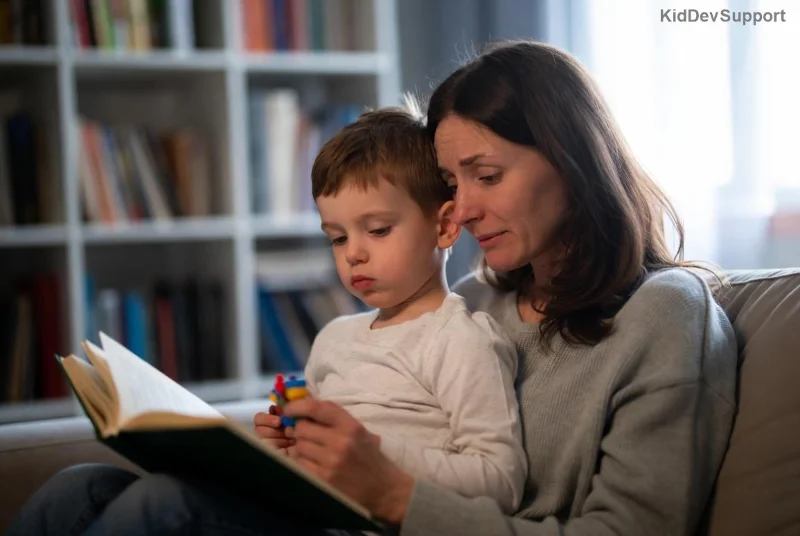
Understanding Speech Delay: What It Is and Why Early Action Matters
Speech delay occurs when a child doesn't meet expected milestones for talking, understanding language, or articulating sounds. It's common—affecting up to 1 in 10 young children—and can stem from hearing issues, developmental factors, or bilingual environments. The latest guidelines from leading pediatric organizations emphasize that early intervention boosts outcomes by up to 80%.
Distinguishing speech delay from disorders is key. Speech delay often resolves with support, while conditions like autism or apraxia need specialized care. Spotting it early prevents frustration and builds strong foundations for learning and social skills.
Key Signs of Speech Delay in Children
Recognize these red flags to act fast:
- No babbling by 12 months
- Fewer than 50 words by 24 months
- Difficulty combining words by 3 years
- Unclear speech others can't understand
- Limited eye contact or gesturing
If you notice these, consult a pediatrician immediately. Tools like the latest CDC checklists help track progress accurately.
Your Step-by-Step Roadmap to Overcoming Speech Delay
Follow this structured roadmap to overcoming speech delay. Each phase builds on the last for maximum impact. Consistency is your superpower—dedicate 15-30 minutes daily.
| Step |
Action |
Expected Timeline |
Key Tips |
| 1. Early Detection & Assessment 🩺 |
Screen hearing and development with a specialist. |
Immediate |
Visit a speech-language pathologist (SLP). Free screenings available via early intervention programs. |
| 2. Professional Speech Therapy |
Start 1-2 sessions weekly using play-based methods like PROMPT or Hanen Program. |
Weeks 1-12 |
Choose evidence-based therapies; latest studies show 70% improvement in 6 months. |
| 3. Home Reinforcement Activities |
Incorporate reading, singing, and mimicking daily. |
Ongoing |
Use apps like Articulation Station for fun practice. |
| 4. Nutrition & Lifestyle Support |
Boost omega-3s, iron, and limit screen time to <1 hour/day. |
Weeks 4+ |
Hydration and sleep enhance brain development. |
| 5. Monitor & Adjust Progress |
Track milestones monthly; reassess with SLP. |
Every 3 months |
Celebrate small wins to stay motivated. ✅ |
![Family activities for speech delay improvement]()
Proven Therapies in Your Roadmap to Overcoming Speech Delay
The cornerstone of success is speech therapy. Modern approaches like the Natural Language Acquisition model immerse kids in real conversations, yielding faster results per recent clinical trials. For bilingual families, dual-language therapy preserves heritage while building skills.
Pair this with parent training programs—the latest data shows trained parents accelerate progress by 50%. Resources like ASHA's speech sound disorders guide offer free tools.
Powerful Home Strategies to Accelerate Results
Therapy shines with home support. Try these evidence-backed activities:
- Read Aloud Daily: Point to pictures, ask "What's this?" Builds vocabulary 2x faster.
- Sing and Rhyme: Songs like "Wheels on the Bus" improve rhythm and sounds.
- Expand Utterances: If child says "ball," respond "Big red ball!" Models growth.
- Reduce Questions: Comment instead—"Look at the dog run!"—to encourage response.
- Play-Based Practice: Use toys for turn-taking talks.
Limit screens; excessive use correlates with delays in the newest pediatric reviews. Focus on face-to-face interaction for mirroring and bonding.
Nutrition and Health Boosters for Speech Development
A healthy body fuels a talking brain. Prioritize:
- Omega-3 rich foods (salmon, walnuts) for neural connections.
- Iron-rich meals to prevent language lags.
- Probiotics for gut-brain axis support, per emerging research.
Ensure 11-14 hours of sleep nightly—it's when language consolidates.
![Happy child achieving speech milestones]()
Tracking Progress: Milestones on Your Speech Delay Roadmap
Use this table to benchmark success:
| Age |
Typical Milestone |
Improvement Goal |
| 18 months |
10-20 words |
Build to 50 words |
| 24 months |
2-word phrases |
Clear phrases, simple sentences |
| 36 months |
Full sentences |
Strangers understand 75% |
| 48 months |
Complex stories |
Fluent conversations |
Reassess quarterly. If plateaus hit, tweak the plan with your SLP.
Real Stories of Triumph Over Speech Delay
Meet Alex, diagnosed at 2 with severe speech delay. Following this roadmap—therapy plus home play—he spoke full sentences by 3.5 years. Parents report joy returning: "It's like unlocking a new world!" 😊 These outcomes align with the latest longitudinal studies showing 90% resolution with intervention.
Conclusion: Empower Your Journey to Overcome Speech Delay
Your roadmap to overcoming speech delay is now in hand. Start with assessment, embrace therapy, reinforce at home, and track every victory. Patience and persistence pay off—most kids catch up fully, gaining confidence for school and life. You've got this. Take the first step today and watch your child's voice bloom. For personalized advice, connect with a local SLP. Success awaits! 🏆
Ready for more? Explore related guides on language milestones and therapy options to keep the momentum going.