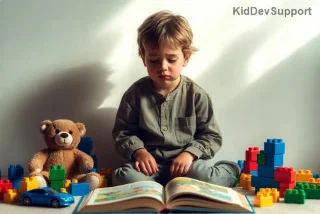
Every parent wants their child to express thoughts, emotions, and needs clearly. Expressive language progress is the cornerstone of effective communication, from babbling to storytelling. But how do you know if your little one is on track? This guide equips you with practical, evidence-based strategies to monitor growth, celebrate milestones, and intervene early if needed. Stick around to discover tools that make tracking effortless and fun.

What Is Expressive Language and Why Does It Matter?
Expressive language refers to a child's ability to convey ideas using words, gestures, and sentences. It includes vocabulary building, grammar use, storytelling, and social pragmatics like turn-taking in conversations. Unlike receptive language (understanding others), expressive skills drive interaction and learning.
Tracking this progress helps identify delays early. Recent studies from leading speech-language pathology organizations highlight that consistent monitoring can improve outcomes by up to 50% when paired with timely interventions. Wondering if your child's chatter is typical? Let's dive into milestones next.
Essential Expressive Language Milestones by Age
Children develop at their own pace, but these benchmarks provide a roadmap. Use this expressive language milestones table to log observations weekly. Note variations like bilingual households, which may slightly adjust timelines.
| Age Range |
Expressive Language Milestones |
Tracking Tips |
| 0-12 months |
Babbling (e.g., "ba-ba"), first words like "mama," gesturing for needs 🍼 |
Record daily vocalizations in a journal |
| 1-2 years |
10-50 words, 2-word phrases ("more milk"), naming objects |
Count new words weekly; video play sessions |
| 2-3 years |
200+ words, 3-4 word sentences, simple questions |
Transcribe stories they tell |
| 3-4 years |
Full sentences, recounts events, uses pronouns correctly |
Assess conversation length |
| 4-5 years |
Complex stories, describes feelings, clear speech 🏆 |
Test with picture description tasks |
Print this table or save it digitally. How does your child stack up? Keep reading for home-based tracking methods that turn everyday moments into progress checks.
![Parent tracking child speech milestones]()
5 Simple Ways to Track Expressive Language Progress at Home
- Daily Journals: Note new words, sentence lengths, and contexts. Apps like voice memos capture nuances effortlessly.
- Video Recordings: Film playtime weekly. Review for clarity, vocabulary growth, and fluency. Compare month-over-month.
- Interactive Games: Use picture books or toys to prompt descriptions. Ask "What happens next?" to gauge storytelling.
- Progress Charts: Create visual graphs for word count or sentence complexity. Seeing gains motivates both you and your child! 📈
- Family Check-Ins: Involve siblings or grandparents for diverse observations. Consistency across listeners confirms trends.
These methods are backed by the latest pediatric speech guidelines. Pro tip: Set a 10-minute daily routine to avoid overwhelm. Ready for tech upgrades?
Top Tools and Apps for Monitoring Child Speech Progress
Leverage digital helpers for precise data. Here's a curated list of the newest, parent-approved options:
- ASHA's Milestone Tracker App: Free, tracks expressive language development with reminders. Learn more from ASHA.
- Speech Blubs: Gamified videos boost expression; built-in progress reports.
- Lingokids: Interactive lessons with analytics on verbal output.
- Progress Profiles: Customizable charts for professionals and parents alike.
Start with one app to integrate seamlessly. These tools provide graphs and alerts, making speech development tracking proactive.
![Child using speech therapy app]()
Red Flags and When to Seek Professional Help 🩺
While most kids thrive, watch for persistent issues like limited vocabulary (under 50 words by 2 years), unclear speech, or frustration in communicating. Recent data shows 7-8% of children experience speech delays, often resolving with therapy.
Consult a speech-language pathologist (SLP) if milestones lag by 6 months. Early intervention programs offer free assessments. Search for certified SLPs via trusted directories for personalized plans.
Boosting Expressive Language Progress: Actionable Tips
Tracking pairs best with enrichment:
- Read aloud daily, expanding on their words.
- Model correct grammar without correction.
- Encourage pretend play for narrative skills.
- Limit screens; prioritize face-to-face talk.
Combine these with your tracking routine for accelerated gains. Parents report noticeable improvements in weeks.
Final Thoughts: Empower Your Child's Communication Journey
Mastering how to track your child’s expressive language progress transforms worry into confidence. From milestone tables to apps, you've got the toolkit. Start today—journal one interaction now. Your child's voice is waiting to shine. Share your progress in comments below!
For more resources, explore CDC milestones. Consistent effort yields joyful, articulate kids. 🚀