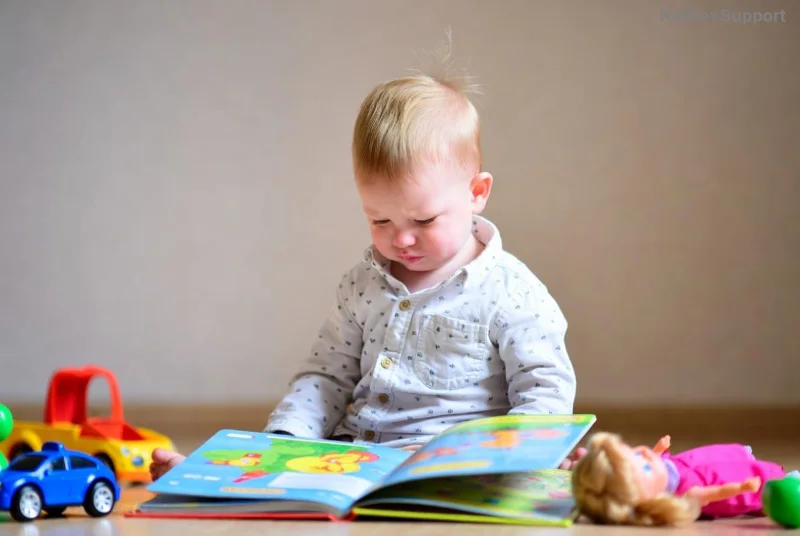
Is your child not talking yet? Many parents worry about speech delay or autism, but these aren't the same. Speech delay means slower language development, while autism (Autism Spectrum Disorder or ASD) affects social skills, behavior, and communication broadly. Understanding how to tell the difference can lead to early intervention—and that's crucial for your child's future. Keep reading for clear signs, expert insights, and actionable steps.

What is Speech Delay?
Speech delay occurs when a child doesn't meet typical milestones for talking, like babbling by 12 months or two-word phrases by 24 months. It's often isolated to language and can stem from hearing issues, frequent ear infections, or bilingual environments. The good news? Many kids catch up with therapy.
Common speech delay signs include:
- No babbling by 12 months
- No single words by 16 months
- No two-word phrases by 24 months
- Difficulty being understood by strangers
Latest research shows early speech therapy boosts outcomes in 70-80% of cases. But if social cues are off, it might signal more.
Understanding Autism Spectrum Disorder
Autism is a neurodevelopmental condition affecting communication, social interaction, and behavior. It's a spectrum—symptoms range from mild to severe. Autism often includes speech delay, but it's never just that.
Core autism signs from the latest diagnostic criteria:
- Limited eye contact ⚕️
- Repetitive behaviors (e.g., hand-flapping)
- Delayed or absent speech
- Struggles with social play
According to the CDC, about 1 in 36 children has autism. Early screening is key.
![Child during autism evaluation with doctor]()
Speech Delay vs Autism: Spot the Key Differences
Both can look similar at first—your toddler might not talk much. But dig deeper. Here's a comparison table based on the latest guidelines:
| Aspect |
Speech Delay |
Autism |
| Social Interaction |
Engages well, responds to name, plays peek-a-boo |
Avoids eye contact, prefers solo play, doesn't respond to name |
| Non-Verbal Communication |
Uses gestures like pointing, waving |
Limited gestures, no pointing to share interest |
| Behavior |
Typical play, few repetitive actions |
Repetitive movements, intense fixations (e.g., spinning wheels) |
| Speech Progress |
Delayed but improving with exposure |
Often echolalia (repeating words) or no functional speech |
| Other Skills |
Motor and cognitive on track |
May have sensory sensitivities or uneven skills |
This table highlights why how to tell the difference matters. A child with pure speech delay chats happily once words come, but autism involves broader challenges.
Red Flags: When Speech Delay Might Be Autism
Watch for these overlapping signs that tip toward autism:
- No babbling or gesturing by 12 months
- No words by 16 months
- No pretend play by 24 months
- Loss of previously gained skills (regression) 😟
- Extreme reactions to sounds or textures
- Difficulty with changes in routine
- Lining up toys obsessively
If you spot 2+ of these, don't wait. Early action changes everything.
![Happy child in speech therapy session]()
Diagnosis: Steps to Confirm Speech Delay or Autism
Start with your pediatrician for a hearing test—rules out simple causes of speech delay. For autism, seek a developmental screening using tools like M-CHAT.
Comprehensive evaluation includes:
- Speech-language pathologist assessment
- Developmental pediatrician or psychologist
- Observational play sessions
The Mayo Clinic recommends evaluation by age 2 for best results. Genetic testing may follow.
Treatment and Support: Next Steps for Success
For speech delay: Speech therapy (1-2 sessions/week) works wonders. Add reading aloud and play-based language exposure at home.
For autism: Applied Behavior Analysis (ABA), occupational therapy, and speech therapy. Tailored plans yield huge gains—many kids thrive! 🌟
Pro tip: Track progress with a journal. Share it with specialists for faster adjustments.
When to Seek Help Immediately
Act now if your child is 18+ months with no words, or shows social withdrawal. Free screenings are available via Early Intervention programs. You're not alone—millions of parents have navigated this successfully.
Final Thoughts: Empower Yourself Today
Differentiating speech delay from autism starts with awareness. Use the signs and table above as your guide. Early help turns worry into wins. Consult a professional for personalized advice—your child's voice (literal or figurative) awaits. Share your story in the comments—what signs did you notice first?