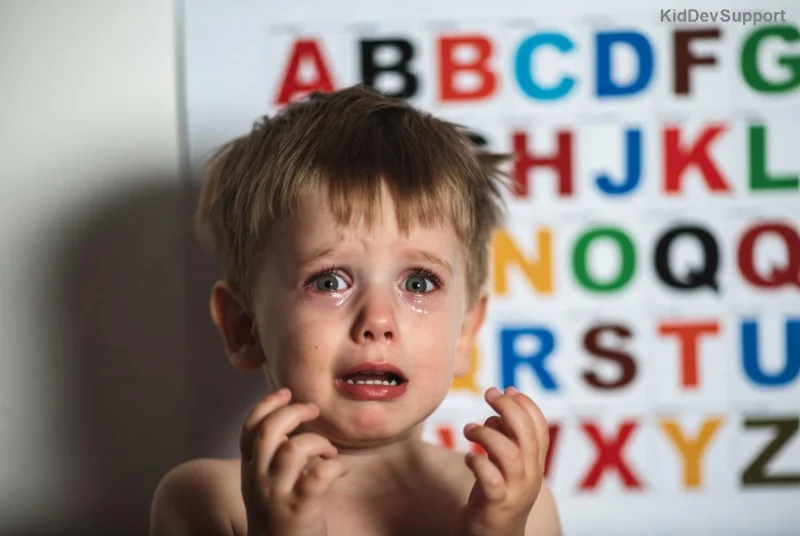
If your little one is a late talker—not yet using words or phrases by age 2 or 3—you're not alone. Many children experience speech delays, but early intervention with speech therapy exercises for late talkers at home can make a huge difference. These activities, drawn from the latest pediatric speech-language pathology guidelines, empower parents to support development in a fun, natural way. Keep reading to learn simple, effective strategies that fit into your daily routine and help your child catch up.

Understanding Late Talkers: When to Start Home Exercises
Late talkers are children who lag behind peers in spoken language but often have normal cognitive and hearing abilities. According to the latest research from leading speech organizations, about 15-20% of toddlers fall into this category. Red flags include no single words by 18 months or no two-word phrases by 24 months.
Home-based speech therapy exercises bridge the gap before professional help. They focus on modeling, imitation, and play to stimulate vocalization. Consistency is key—aim for 10-15 minutes daily. These exercises complement, not replace, evaluations from a speech-language pathologist (SLP).
Benefits of Speech Therapy Exercises for Late Talkers at Home
- Builds Confidence: Fun activities reduce frustration and encourage trying new sounds. 🏆
- Strengthens Parent-Child Bond: Shared playtime fosters natural communication.
- Cost-Effective: No equipment needed; use household items.
- Early Gains: Latest studies show home practice accelerates vocabulary growth by up to 50% when combined with therapy.
Ready to dive in? The following exercises are SLP-approved and adaptable for ages 18 months to 3 years.
Top 10 Speech Therapy Exercises for Late Talkers at Home
Structure your sessions with a mix of imitation, sound play, and interaction. Track progress in a simple journal to stay motivated.
1. Mirror Time: Face-to-Face Imitation
Sit facing your child in front of a mirror. Exaggerate facial expressions and sounds like "ma-ma" or "ba-ba." Pause for imitation. This builds oral motor skills and awareness. Do 5 minutes daily.
2. Animal Sounds Safari
Use toys or pictures: "The cow says moo!" Encourage repetition. Latest guidelines emphasize thematic play for vocabulary expansion.
![Parent and child playing with animal toys for speech practice]()
3. Bubble Blowing Bonanza
Blow bubbles while saying "blow" or "pop." The visual feedback motivates sound production. Pair with lip movements for bilabial sounds (p, b, m).
4. Book Reading Rituals
Read interactive books daily. Point to pictures and label: "Big red ball!" Use repetitive phrases. Choose board books with rhymes for rhythm.
5. Song and Rhyme Routines
Sing favorites like "Wheels on the Bus" with gestures. Slow down words for clarity. Music enhances phonological awareness per recent studies.
Pro Tip: Create a daily speech schedule for best results.
| Time of Day |
Exercise |
Duration |
Goal |
| Morning |
Mirror Time |
5 min |
Imitation |
| Playtime |
Animal Sounds |
10 min |
Vocabulary |
| Afternoon |
Bubble Blowing |
5 min |
Oral Motor |
| Bedtime |
Book Reading |
15 min |
Phrasing |
6. Naming Game: Point and Say
During meals or walks, label objects: "Apple! Yum!" Expand to actions: "Eat apple." This boosts receptive and expressive language.
7. Puppet Play Prompts
Use socks or toys as puppets. Have them "talk" simple phrases. Children love imitating characters, making speech playful.
![Family reading books together to support late talker development]()
8. Fill-in-the-Blank Fun
Pause familiar songs or stories: "Twinkle, twinkle, little ___?" Model if needed. Builds anticipation and memory.
9. Sensory Sound Boxes
Fill boxes with rice or beans; hide toys. Say "Find the car—vroom!" Tactile input pairs with auditory cues.
10. Choice Making Challenges
Offer two options: "Ball or block?" Model "Ball!" This encourages first words through decision-making.
Advanced Tips for Maximizing Home Speech Therapy Exercises
Monitor for progress: Expect 5-10 new words monthly with consistency. Use visuals like picture cards from free printable resources. If no improvement after 3 months, consult an SLP.
For evidence-based support, check guidelines from trusted sources like ASHA (American Speech-Language-Hearing Association).
Common Mistakes to Avoid with Late Talkers Home Exercises
- Don't pressure—keep it joyful. 😊
- Avoid screens; prioritize face-to-face.
- Expand, don't correct: If they say "ba," respond "Yes, big ball!"
Next Steps: When to Seek Professional Help
Home exercises are powerful starters, but pair with screenings. The latest pediatric recommendations urge evaluation if delays persist. Celebrate small wins—your child's voice is emerging! Share your progress in comments below.
Implement these speech therapy exercises for late talkers at home today and watch communication blossom. You've got this! 🚀