Imagine your toddler babbling away, but struggling to string words together clearly. Is it just a phase, or something more? Childhood Apraxia of Speech (CAS) affects how the brain plans mouth movements for speech, often hiding in plain sight as "normal" delays. Early spotting these hidden signs of Childhood Apraxia of Speech can unlock faster progress. Stick around as we reveal the subtle clues, backed by the latest expert insights, to empower you as a parent.
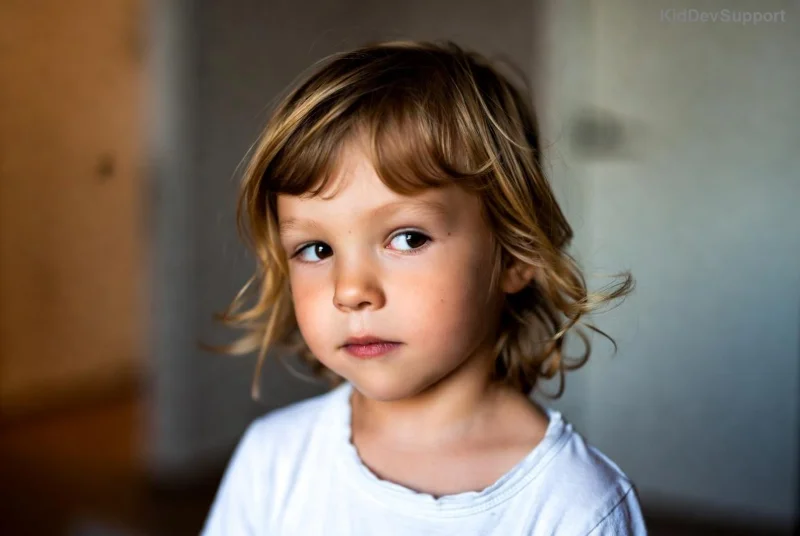
What Exactly is Childhood Apraxia of Speech?
Childhood Apraxia of Speech (CAS) is a motor speech disorder where the brain struggles to send precise signals to the muscles controlling speech. Unlike simple delays, CAS involves inconsistent errors because planning speech sounds is the core issue—not hearing, intellect, or muscle weakness alone.
Recent studies from leading speech-language pathology organizations highlight that CAS impacts 1-2 children per 1,000, often appearing between ages 18 months and 3 years. It's neurological, not behavioral, making early intervention crucial for rewiring those brain pathways.
The Hidden Signs of Childhood Apraxia of Speech You Might Overlook
Many parents dismiss these as typical toddler quirks, but they signal CAS when clustered. Watch for patterns, not isolated incidents. Here's what to spot:
1. Inconsistent Sound Errors (The Groping Game)
Your child says "dog" perfectly one moment, then "gog" or "da" the next—even in the same conversation. This hidden sign of Childhood Apraxia of Speech shows planning breakdowns. They might visibly search (groping) for the right position with lips or tongue. 👨⚕️
2. Limited Vowel Variety
Vowels are foundational, yet CAS kids stick to 2-3 sounds like "ah" or "ee," avoiding others. Words become monotone or distorted, unlike peers experimenting freely.
3. Difficulty with Multisyllabic Words
Simple words? Fine. "Banana" or "computer"? A struggle with added syllables swapped or deleted. This escalates in longer phrases, revealing motor planning gaps.
![Toddler showing speech frustration]()
4. Better Understanding Than Producing Speech
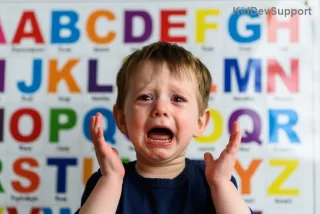
They comprehend everything you say but can't mimic back accurately. Frustration builds—nonverbal gestures or pointing increase as speech fails them.
5. Slow, Effortful Speech with Pauses
Speech emerges haltingly, with reformulations mid-sentence. It's not shyness; it's recalibrating motor plans on the fly.
6. Prosody Problems (The Rhythm Killer)
Speech lacks melody—flat tone, equal stress on every syllable, or wrong intonation. Sentences sound robotic, even if words are somewhat clear.
7. Regression Under Stress
Fluency drops during excitement, fatigue, or imitation tasks. This "hidden sign" differentiates CAS from other delays, per the latest diagnostic guidelines.
Curious if these fit your child? Keep reading for a quick comparison tool.
| Typical Speech Delay |
CAS Hidden Signs |
| Consistent errors (e.g., always "tat" for cat) |
Inconsistent errors (e.g., "cat," "tat," "ka" variably) |
| Improves steadily with age/models |
Slow progress despite practice; groping motions |
| Normal rhythm and intonation |
Flat prosody, effortful pauses |
| Vowel/consonant sounds expand evenly |
Limited vowels; syllable struggles |
How to Confirm: Diagnosis of Childhood Apraxia of Speech
No single test diagnoses CAS—it's a profile. Seek a speech-language pathologist (SLP) specializing in motor speech disorders. They use:
- Dynamic evaluation: Observing speech across tasks for inconsistency.
- Oral-motor exams: Checking non-speech movements.
- Parent interviews: Tracking milestones.
For validated tools, refer to resources like the American Speech-Language-Hearing Association (ASHA). Early diagnosis before age 3 yields the best outcomes.
![Happy child in speech therapy session]()
Proven Treatments: Turning Hidden Signs into Speech Success 🏅
The gold standard? Intensive, motor-based therapy like:
DTTC (Dynamic Temporal and Temporal Cueing)
Latest protocols emphasize high-repetition practice with cues fading over time. Sessions 3-5x/week show rapid gains.
PROMPT and Biofeedback
Hands-on tactile cues or visual tools help bridge brain-to-muscle gaps.
Home tips to support therapy:
- Model slowly, exaggerate sounds.
- Use mirrors for visual feedback.
- Play-based repetition: Songs, rhymes targeting weak sounds.
- Avoid corrections—focus on fun modeling.
Recent research confirms 70-80% improvement in speech intelligibility within a year of consistent intervention. Pair with family support for emotional wins. 😊
Next Steps: Empower Your Child Today
Spotting these hidden signs of Childhood Apraxia of Speech is your superpower. If 3+ signs resonate, schedule an SLP evaluation now—don't wait for kindergarten struggles. Early action transforms frustration into fluent chatter.
Share your story in comments below. What signs did you notice first? For more guides on speech milestones, subscribe and explore our resources. Your child's voice awaits!