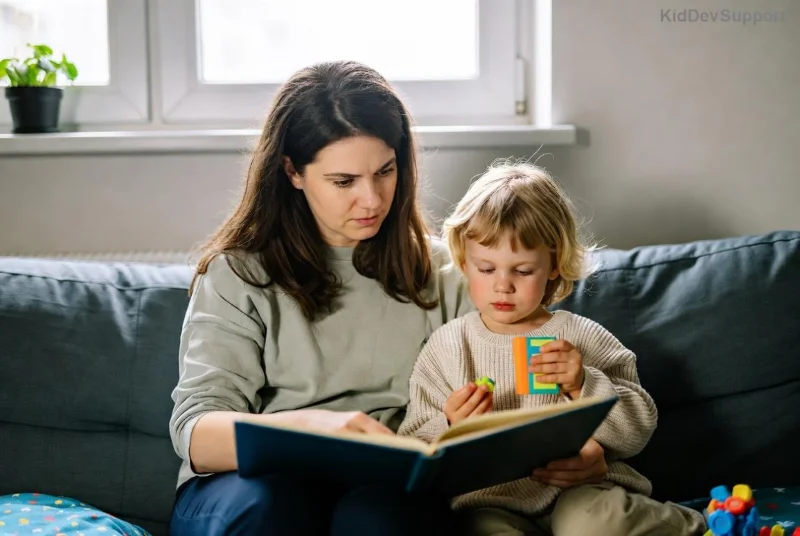
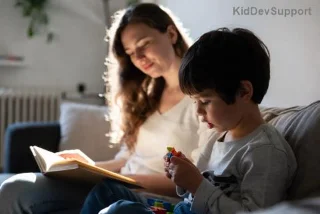
Imagine your child chattering away, weaving stories, and describing adventures with vivid detail. That's the magic of open-ended toys. Unlike rigid playthings that dictate "how to play," these versatile gems spark endless creativity, directly fueling language development. Recent studies from child development experts highlight how such toys accelerate vocabulary growth, narrative skills, and social communication in kids. Ready to dive into why they're unbeatable? Let's explore.
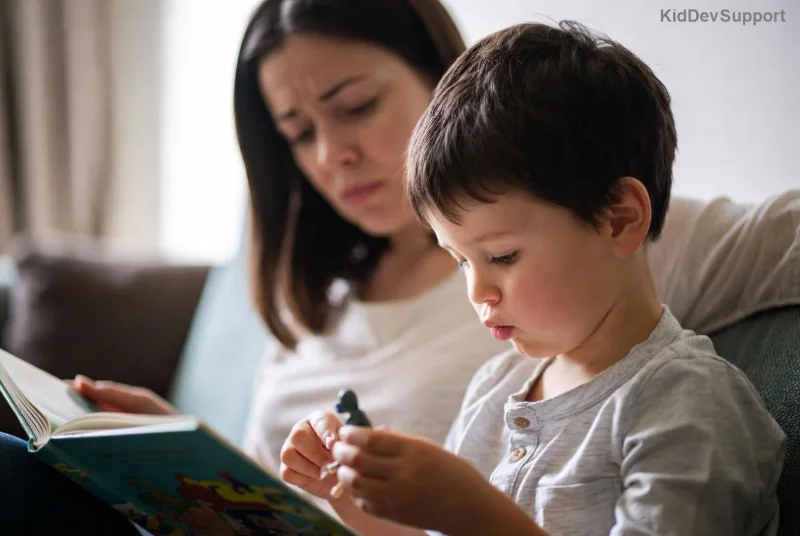
What Are Open-Ended Toys?
Open-ended toys have no fixed rules or outcomes. Think wooden blocks 🧱, stacking rings, play silks, or simple dollhouses without pre-set scenes. They invite imagination, allowing children to invent scenarios on their own. This freedom contrasts with closed-ended toys like puzzles with one solution or electronic gadgets with scripted responses.
The latest pediatric research emphasizes that open-ended toys engage multiple brain areas, promoting neural connections essential for speech. Kids must verbalize ideas to collaborate or explain their play, naturally expanding language.
How Open-Ended Toys Drive Language Development
Language isn't just memorized words—it's a dynamic skill built through expression. Here's how open-ended toys excel:
- Vocabulary Explosion: Children name objects, actions, and emotions freely. A block becomes a "towering castle" or "racing car," layering descriptive words.
- Narrative Building: Play evolves into stories. "The doll is flying to the moon because she's sad about her lost friend" teaches sequencing and complex sentences.
- Social Dialogue: Group play with these toys prompts negotiation: "Can your truck join my farm?" fostering turn-taking and conversational flow.
- Problem-Solving Talk: Figuring out "how to build a bridge" encourages questions and explanations, honing grammar and syntax.
According to the newest findings from the American Academy of Pediatrics (AAP), unstructured play like this boosts expressive language by up to 30% more than structured toys.
Proven Benefits Backed by Science
Recent longitudinal studies track kids using open-ended toys, revealing measurable gains:
| Benefit |
Open-Ended Toys |
Closed-Ended Toys |
| Vocabulary Growth |
High – Endless naming & describing |
Low – Limited scripted words |
| Sentence Complexity |
Advanced storytelling |
Basic instructions only |
| Social Skills |
Rich peer interaction |
Solo or minimal talk |
| Cognitive Flexibility |
Improves adaptability in speech |
Rigid patterns |
This table underscores why open-ended toys are superior for holistic language development. Parents report children hitting speech milestones faster, with reduced frustration from "wrong" play.
![Kids engaging in imaginative play with blocks for speech growth]()
Real-World Examples of Top Open-Ended Toys
Choosing the right toys maximizes impact. Here are game-changers:
- Wooden Blocks: Build worlds while narrating "The bridge is collapsing—quick, reinforce it!"
- Play Dough or Clay: Shape and discuss "This is a squishy monster with three eyes."
- Nesting Cups or Stacking Rings: Sort, stack, and story-tell about sizes and colors.
- Simple Vehicles or Animals: Race or farm adventures spark action verbs and dialogues.
- Fabric Pieces or Scarves: Transform into capes, tents, or rivers, prompting descriptive play.
Incorporate these daily for 20-30 minutes. Watch language development soar as play sessions turn into language labs.
Tips for Parents to Maximize Gains
To supercharge results:
- Join the Play: Model rich language without directing. "Wow, your tower looks mighty! What's guarding it?"
- Rotate Toys: Fresh options prevent boredom, sustaining engagement.
- Set Open Spaces: Floor time without screens encourages verbal exploration.
- Track Progress: Note new words weekly. Consult pros if delays persist (CDC milestones).
- Pair with Books: Extend play into reading for reinforced vocabulary.
These strategies, drawn from the latest speech therapy guidelines, ensure every play moment counts.
![Parent and child using open-ended toys to enhance communication]()
Common Myths Busted
Myth: "Fancy electronic toys teach more words." Reality: They provide passive input; open-ended toys demand active output, per newest neurodevelopment research.
Myth: "Babies need structured toys first." Nope—early free play lays the strongest language development foundation.
Conclusion: Empower Your Child Today
Open-ended toys aren't just fun—they're a powerhouse for language development. By fostering creativity, dialogue, and expression, they set kids up for confident communication. Swap screen time for blocks and watch the words flow. Your child's voice awaits—start playing now!
What's your go-to toy? Share in comments and keep the conversation going. For personalized advice, reach out to a pediatric speech therapist. Happy playing! 🎉