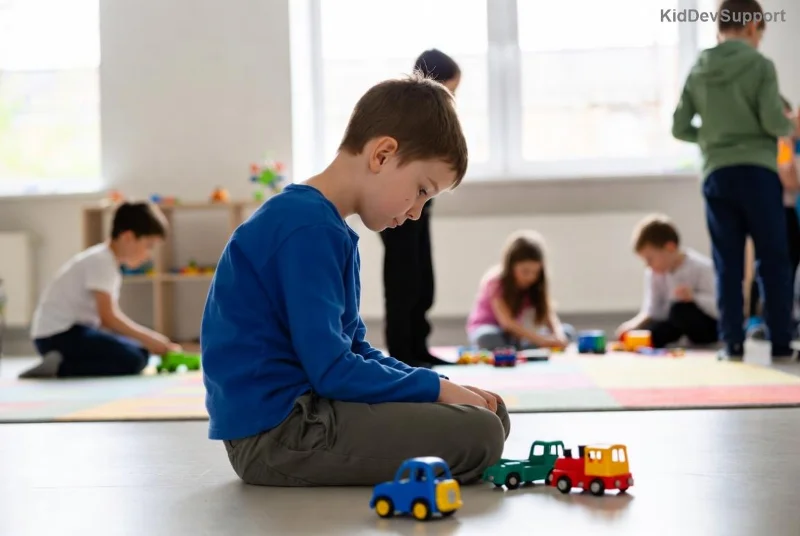
In the dynamic world of middle school, where peer pressure peaks and identities form, mastering teaching social skills in middle school is essential. Students aged 11-14 navigate complex social landscapes, from forming friendships to handling conflicts. Recent studies highlight that strong social skills boost academic performance, mental health, and future success. This guide delivers actionable insights to empower educators, helping students thrive. Keep reading for strategies that transform classrooms into social success hubs.
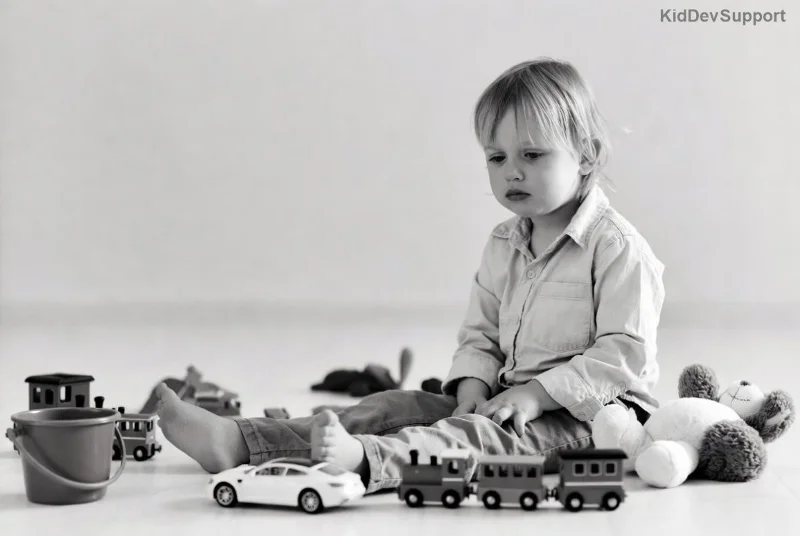
Why Teaching Social Skills in Middle School is Crucial Now
Middle school marks a pivotal transition. Brain development accelerates, making it the perfect window for social learning. Newest research from child psychology experts shows students with robust social skills experience 30% fewer behavioral issues and higher engagement. Without intervention, challenges like bullying or isolation can escalate.
- Empathy fosters inclusive environments 🏆.
- Communication reduces misunderstandings.
- Resilience builds emotional strength.
Poor social skills correlate with anxiety and low self-esteem. By prioritizing social emotional learning (SEL) in middle school, educators prevent long-term pitfalls and cultivate confident leaders.
Core Social Skills Every Middle Schooler Needs
Focus on these foundational skills, tailored for tweens' developmental stage. Use the table below to map skills to real-world applications.
| Social Skill |
Why It Matters |
Age-Appropriate Example |
| Active Listening |
Builds trust and reduces conflicts |
Paraphrasing a friend's concern during group work |
| Empathy |
Promotes kindness and inclusion |
Recognizing a peer's sadness and offering support |
| Conflict Resolution |
Teaches peaceful problem-solving |
Using "I" statements in peer disputes |
| Non-Verbal Cues |
Enhances understanding beyond words |
Interpreting body language in team sports |
| Teamwork |
Prepares for collaborative futures |
Contributing ideas in project groups |
Integrate these into daily routines for maximum impact. Curious how to teach them effectively? Dive into proven methods next.
Evidence-Based Strategies for Teaching Social Skills in Middle School
Draw from the newest SEL frameworks endorsed by educational leaders. Structure lessons with explicit teaching, modeling, practice, and feedback.
- Direct Instruction: Start with short videos or stories illustrating skills. Discuss: "What did you notice?"
- Role-Playing: Scenario-based practice builds confidence. Pair students for low-stakes rehearsals.
- Cooperative Learning: Group tasks like jigsaw puzzles enforce collaboration.
- Mindfulness Integration: Daily check-ins promote self-awareness and empathy.
- Peer Mentoring: Upperclassmen guide younger students, reinforcing skills bidirectionally.
For diverse classrooms, adapt for neurodiverse students, including those on the autism spectrum. Resources like CDC guidelines offer tailored tips.
![Middle school group activity teaching social skills]()
Engaging Middle School Social Skills Activities That Stick
Hands-on activities make learning fun and memorable. Implement these weekly for sustained growth.
- Emotion Charades: Act out feelings; peers guess and discuss triggers. Builds empathy fast.
- Social Story Circles: Share real-life dilemmas; vote on solutions. Encourages perspective-taking.
- Buddy Systems: Pair introverts with extroverts for lunch chats, tracking progress journals.
- Conflict Role-Reversals: Switch roles in disputes to experience the other side.
- Gratitude Chains: Link compliments across the class, fostering positivity.
Track progress with simple rubrics. Students self-assess, promoting ownership. What if challenges arise? Explore solutions ahead.
Overcoming Common Challenges in Social Skills Middle School Programs
Resistance is normal—teens crave autonomy. Counter with student-led sessions. For shy students, start small with one-on-one practice.
| Challenge |
Solution |
| Student Disinterest |
Gamify with points and rewards 🏅 |
| Time Constraints |
Embed in homeroom (10 mins/day) |
| Cultural Differences |
Incorporate diverse scenarios |
| Measurement |
Pre/post surveys and observations |
Parental buy-in amplifies results—share home activities via newsletters.
Measuring Success and Long-Term Impact
Success shows in fewer referrals, stronger friendships, and improved grades. Newest data from SEL programs reports 11% academic gains. Use tools like the Social Skills Improvement System for baselines.
For deeper dives, check CASEL resources, the gold standard in SEL.
Empower Your Students Today
Teaching social skills in middle school isn't optional—it's transformative. Start with one activity this week and watch connections flourish. Your classroom can be the launchpad for lifelong social mastery. Share your wins in comments below—what's your go-to strategy? Stay tuned for more educator tools.