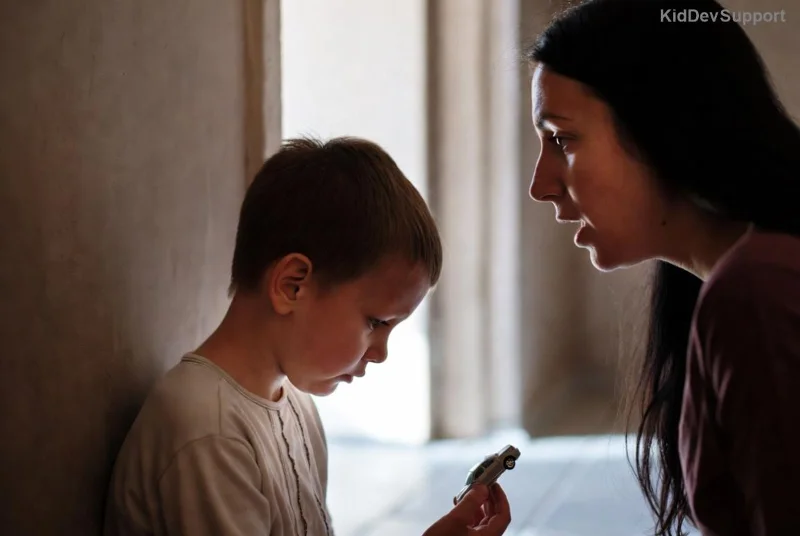
Imagine turning a daily battle into a smooth routine. For many on the autism spectrum, hygiene tasks trigger overwhelming sensory sensitivity—from the splash of water to the texture of toothpaste. But with targeted strategies, autism and hygiene challenges can become manageable wins. This guide delivers concise, actionable autism hygiene tips backed by the latest insights from sensory experts. Stick around to discover routines that stick and products that soothe.

Understanding Sensory Sensitivity in Autism
Sensory sensitivity affects up to 90% of individuals with autism spectrum disorder (ASD), according to recent studies. It means everyday sensations—like water temperature, fabric textures, or minty flavors—feel amplified, leading to distress or avoidance. In autism and hygiene, this manifests as resistance to brushing teeth, showering, or dressing.
Why does it matter? Poor hygiene impacts health, social confidence, and independence. The good news: tailored approaches can desensitize and empower. You'll soon learn how to identify triggers and pivot to solutions.
Common Hygiene Challenges for Autism
- Bathing/Showering: Water pressure, temperature fluctuations, or slippery soaps overwhelm.
- Brushing Teeth: Toothpaste taste, bristles, or foaming action cause gagging.
- Handwashing: Soap scents, drying textures, or loud water sounds repel.
- Dressing/Grooming: Tags, seams, or hairbrush friction irritate skin.
- Nail Care: Clippers' noise or filing sensations trigger meltdowns.
Recognizing these paves the way for customized autism hygiene tips. Curious how to tackle them? Keep reading for step-by-step fixes.
![Visual schedule for autism hygiene routines]()
Proven Autism Hygiene Tips for Sensory Sensitivity
1. Create Predictable Routines with Visual Supports
Visual schedules reduce anxiety. Use picture cards or apps showing "wet face → soap → rinse." Start short—2 minutes—and reward with a favorite activity. Recent occupational therapy guidelines emphasize consistency for neurodiverse brains.
2. Sensory-Friendly Product Swaps
Switch to gentle alternatives:
| Hygiene Task |
Sensory Issue |
Recommended Swap |
| Bathing |
Harsh water pressure |
Rain showerhead or sponge baths 🛁 |
| Teeth Brushing |
Minty foam |
Flavorless gel + soft silicone brush 😁 |
| Handwashing |
Strong scents |
Unscented foam soap + microfiber towel |
| Hair Washing |
Shampoo sting/runny eyes |
No-tears, tear-free formulas + goggles |
| Nail Trimming |
Clipper noise |
Electric file + noise-canceling headphones ✂️ |
3. Gradual Desensitization Techniques
Expose slowly: Touch toothpaste with finger first, then dab on lips, before full brush. Pair with deep pressure (weighted vest) or calming music. Therapists report 70% improvement with 4-week plans.
4. Environmental Tweaks
Dim lights, warm water only, non-slip mats. Play favorite songs during routines to rewire associations positively.
![Happy child completing hygiene task with autism adaptations]()
Recommended Sensory-Friendly Hygiene Products
Opt for these latest favorites:
- Silicone Toothbrushes: No bristles, gentle vibration.
- Unscented Wipes: Quick alternative to washing.
- Waterpik Flossers: No string texture issues.
- Seamless Socks/Undies: Tag-free for dressing comfort.
For trusted options, check occupational therapy-endorsed lists from
Autism Speaks or
CDC Autism Resources.
Building Long-Term Habits
Involve the individual: Let them choose soap scents (or none). Track progress with stickers for motivation ⭐. Parental modeling works wonders—brush together first.
For teens/adults, tie hygiene to independence goals like "clean hands = video games." Apps like Choiceworks gamify routines.
When to Seek Professional Help
If resistance persists, consult an occupational therapist (OT). They specialize in sensory integration therapy. Early intervention yields fastest results—recent data shows OTs boost compliance by 80%.
Warning signs: Skin infections from avoidance or severe meltdowns. Don't hesitate; pros tailor plans uniquely.
Final Thoughts: Empower Independence Today
Mastering autism and hygiene transforms lives. Start with one tip—like visual schedules—and build from there. You've got the tools; now watch confidence soar. Share your wins in comments—what's your go-to sensory sensitivity hack? For more autism hygiene tips, subscribe and dive deeper into sensory strategies.
Word of encouragement: Small steps lead to big victories. Your loved one can thrive! 🌟