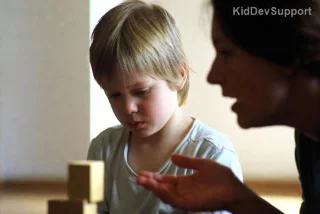
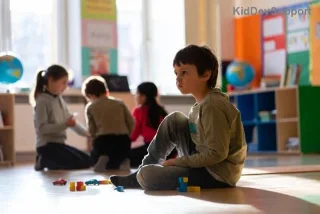
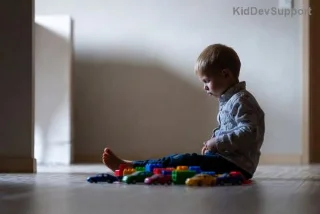
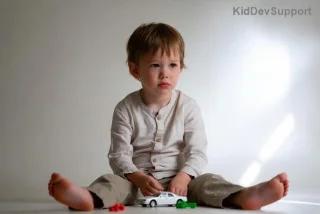
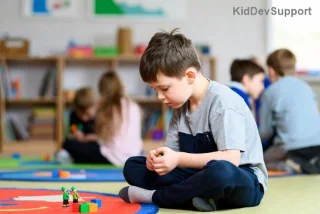
In the world of child development, social play in autistic toddlers stands as a cornerstone for building connections, empathy, and communication skills. Toddlers on the autism spectrum often face unique challenges in engaging with peers, but with targeted approaches, parents and caregivers can spark meaningful interactions. This guide dives straight into actionable strategies drawn from the latest research, helping you create joyful play moments that last. Ready to transform playtime? Let's explore how to make encouraging social play in autistic toddlers a daily reality.

Why Social Play Matters for Autistic Toddlers
Social play isn't just fun—it's essential for brain development. Recent studies highlight how it enhances language acquisition, emotional regulation, and cognitive flexibility in children with autism spectrum disorder (ASD). For autistic toddlers (ages 1-3), who may prefer solitary activities due to sensory sensitivities or difficulty reading social cues, structured play bridges these gaps. Benefits include:
- Improved turn-taking and sharing skills ✅
- Reduced isolation and anxiety
- Stronger parent-child and peer bonds
By focusing on play, you're laying the foundation for lifelong social success. Keep reading for strategies that deliver real results.
Core Principles for Encouraging Social Play in Autistic Toddlers
Start with these foundational tips before diving into specific activities:
- Follow Their Lead: Observe your toddler's interests and join in without forcing participation.
- Create a Sensory-Friendly Space: Use soft lighting, minimal noise, and familiar toys to ease transitions into group play.
- Keep Sessions Short: Begin with 5-10 minutes to build tolerance.
10 Proven Strategies to Foster Social Play
Here's a curated list of evidence-based methods, perfect for home or therapy settings. Each builds on the latest behavioral interventions like Applied Behavior Analysis (ABA) and play therapy.
| Strategy |
How It Works |
Practical Tips |
| 1. Parallel Play Introduction |
Place toddlers side-by-side with similar toys to mimic actions without direct interaction. |
Use blocks or cars; narrate actions like "Your car goes vroom!" |
| 2. Turn-Taking Games |
Simple games teach reciprocity, a key autism social skill. |
Roll a ball back and forth; use a timer for visual cues. |
| 3. Sensory Sharing Activities |
Share tactile experiences to reduce sensory overload. |
Play with playdough or water beads together. |
| 4. Puppet or Doll Role-Play |
Puppets model social exchanges indirectly. |
Act out greetings: "Hi friend!" |
| 5. Music and Movement Circles |
Rhythm synchronizes actions and emotions. |
Clap hands or dance to simple songs. |
| 6. Peer Modeling |
Pair with neurotypical peers who demonstrate play. |
Arrange playdates with prepared siblings. |
| 7. Visual Schedules for Play |
Predictability reduces anxiety around social demands. |
Use picture cards: "Play → Share → Hug." |
| 8. Bubbles and Chase Games |
High-engagement chases build joint attention. |
Blow bubbles and pop together. |
| 9. Cooperative Building |
Joint construction fosters teamwork. |
Build towers with Duplo blocks. |
| 10. Reward Positive Interactions |
Positive reinforcement solidifies behaviors. |
Praise lavishly: "Great sharing!" with stickers. |
![Group play with autistic toddler and peers]()
Parental Role in Social Play Autism Development
As the primary play partner, your enthusiasm is contagious. Model eye contact, verbal labeling ("Look, ball!"), and physical proximity gently. Track progress with a simple journal: note what works and adjust. For deeper insights, consult resources like the CDC's autism page or Autism Speaks.
Signs of Progress and When to Seek Help
Watch for milestones like initiating play, imitating peers, or sustaining 15-minute sessions. If challenges persist, early intervention therapies shine. Occupational therapists specialize in sensory integration play, while speech therapists target communication during interactions. The latest guidelines emphasize starting before age 3 for optimal outcomes.
Common Pitfalls to Avoid
- Overstimulation: Too many kids or toys overwhelm.
- Forced Interaction: Let play emerge naturally.
- Ignoring Strengths: Leverage special interests (e.g., trains) for social entry points.
Real-Life Success Stories
Parents report breakthroughs: One mom shared how turn-taking with bubbles turned her shy toddler into a playgroup star. These stories underscore that consistency pays off—your efforts create ripples of joy and connection.
Next Steps: Build a Play Routine Today
Pick one strategy from the table and try it tomorrow. Consistency turns sparks into flames. For personalized plans, connect with a developmental pediatrician. You've got this—encouraging social play in autistic toddlers unlocks a world of happiness. Share your wins in the comments below and keep the conversation going!
Word of encouragement: Every small smile during play is a victory. 🌟