Receiving an autism diagnosis for yourself or a loved one can feel like the world shifts beneath your feet. It's normal to experience profound grief—a mix of shock, sadness, and uncertainty. This guide focuses on coping with the grief of an autism diagnosis, offering targeted strategies backed by the latest insights from mental health experts and autism advocacy groups. You'll gain tools to navigate emotions, build resilience, and embrace a future filled with possibility.
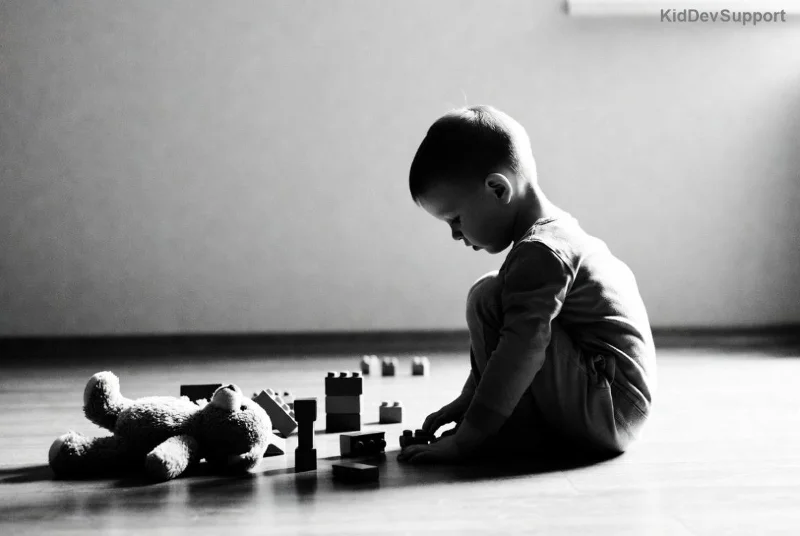
Understanding the Grief Process After an Autism Diagnosis
The grief following an autism diagnosis mirrors the classic stages outlined by Elisabeth Kübler-Ross, but tailored to neurodiversity. Recent studies from leading autism research emphasize that this emotional journey is universal among parents, partners, and even autistic individuals post-diagnosis.
| Stage of Grief |
What It Feels Like in Autism Diagnosis Context |
Coping Tip |
| Denial |
"This can't be happening—maybe it's just a phase." |
Acknowledge facts gently; journal thoughts. |
| Anger |
Frustration toward doctors, genetics, or "why us?" |
Channel into advocacy; exercise daily. |
| Bargaining |
"If I try harder therapies, will it change?" |
Focus on realistic goals; seek evidence-based info. |
| Depression |
Deep sadness over lost "typical" dreams. |
Connect with support groups; prioritize self-care. |
| Acceptance |
Embracing neurodiversity and unique strengths. |
Celebrate milestones; build inclusive routines. |
This table provides a clear roadmap. Remember, stages aren't linear—you may cycle through them. The latest guidelines from autism organizations stress validating these feelings as the first step in coping with the grief of an autism diagnosis.
Common Emotions and Why They Arise
Parents often report shock and loss of future visions, while autistic adults may grieve missed early supports. Recent surveys highlight anxiety (60% of families) and isolation as top challenges. Understanding these normalizes your experience, reducing self-blame.
- Shock and Disbelief: The diagnosis confirms long-suspected traits.
- Sadness for "What Could Have Been": Mourning unfulfilled expectations.
- Guilt: Wondering "Did I cause this?" (Science shows autism is largely genetic.)
- Fear of the Unknown: Worries about schooling, relationships, independence.
Addressing these head-on builds emotional strength. Keep reading for actionable strategies that transform pain into purpose.
![Supportive therapy session for autism grief]()
Proven Strategies for Coping with the Grief
1. Seek Professional Support 🩺
Counseling tailored to neurodiverse families is transformative. Therapists specializing in autism diagnosis grief use cognitive-behavioral techniques. The newest recommendations endorse EMDR for trauma-like responses and group therapy for shared stories.
Autism Speaks offers free resources; consider apps like Calm for guided grief meditations.
2. Build a Support Network
Connect with others via online forums or local chapters. Recent data shows peer support halves depression rates. Platforms like Reddit's r/autism or Wrong Planet provide 24/7 empathy.
- Join parent meetups.
- Share with trusted friends.
- Engage autistic self-advocates for perspective.
3. Prioritize Self-Care and Education
Daily routines combat burnout: sleep, nutrition, mindfulness. Educate via reputable sources—the latest autism research demystifies the spectrum, revealing strengths like intense focus.
Practical steps:
- Read books like "Uniquely Human" by Barry Prizant.
- Track small wins in a gratitude journal.
- Incorporate sensory-friendly activities.
4. Reframe the Narrative
Shift from "tragedy" to "neurodiversity." Celebrate traits: creativity, loyalty. Families using affirmative language report higher life satisfaction in recent studies.
![Joyful autistic child playing, symbolizing acceptance]()
Supporting Loved Ones Through the Grief
If you're aiding someone post-autism diagnosis, listen without fixing. Validate: "It's okay to feel this way." Encourage therapies like ABA or speech, but personalize to needs. For partners, date nights rebuild connection.
Table of family roles:
| Role |
Key Support Action |
| Parent |
Model acceptance; access IEPs. |
| Sibling |
Play inclusively; voice needs. |
| Partner |
Share household load; couples therapy. |
Moving Toward Acceptance and Thriving ✨
Acceptance isn't resignation—it's empowerment. Latest outcomes show early intervention plus emotional support leads to fulfilling lives. Track progress: from meltdowns managed to talents shining.
Long-term tips:
- Advocate for accommodations at school/work.
- Foster independence skills.
- Join thriving communities like Autistic Women & Nonbinary Network.
Final Thoughts: Hope Awaits
Coping with the grief of an autism diagnosis is a journey, but you're not alone. Implement one strategy today—perhaps journaling or a support call. Healing leads to joy in neurodiverse strengths. Share your story in comments below; what's helped you most?
For more, explore CDC Autism Resources. You've got this—toward acceptance and beyond. 🌟