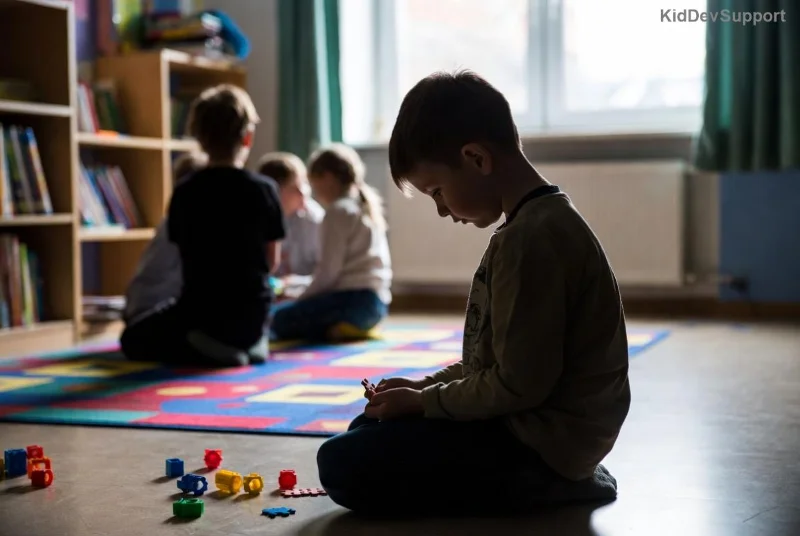
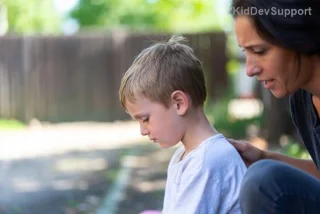
Imagine your child with autism coming home withdrawn, anxious, or upset—silent signs that bullying and autism intersect in painful ways. As a parent, spotting and stopping this is crucial. This guide delivers actionable steps to protect your child from bullies and empower them with confidence. Stay with us to uncover strategies backed by the latest expert insights that transform vulnerability into strength. 😊
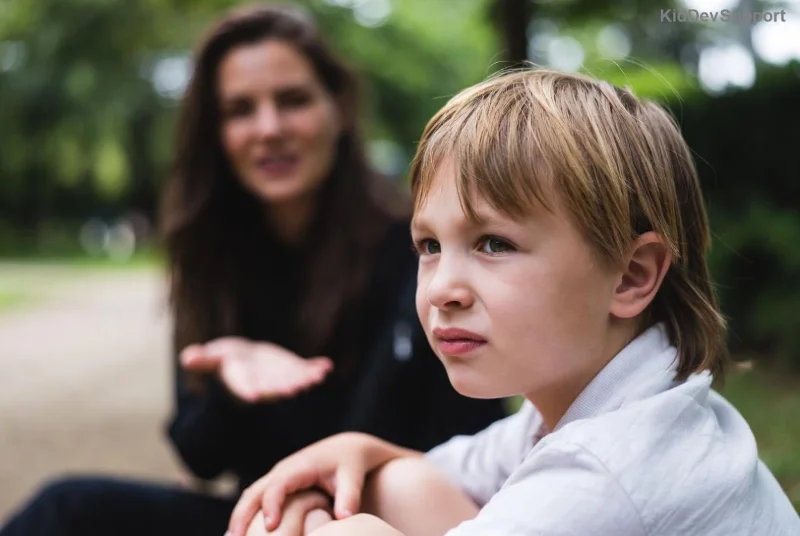
Understanding the Link Between Bullying and Autism
Children on the autism spectrum face heightened risks of bullying. According to the newest data from leading health organizations like the CDC, up to 75% of autistic youth experience bullying—far higher than neurotypical peers. Why? Social differences, literal thinking, and sensory sensitivities make them prime targets for bullies seeking easy prey.
Bullying and autism creates a toxic cycle: bullying exacerbates anxiety, meltdowns, and isolation, while autism traits like difficulty reading social cues amplify vulnerability. But knowledge is power. Recognizing this link equips you to intervene early.
Spotting Bullying Signs in Children with Autism
Autistic children may not verbalize bullying due to communication challenges. Watch for subtle red flags:
- Sudden withdrawal or loss of interest in school 🏫
- Increased meltdowns or self-injurious behaviors
- Unexplained bruises, torn clothes, or missing items
- Changes in eating/sleeping patterns or stomach aches
- Avoidance of specific peers or routes to school
Common vs. Autism-Specific Bullying Signs
| General Signs |
Autism-Specific Signs |
Action to Take |
| Fear of school |
Sensory overload triggers post-school |
Journal daily routines |
| Low self-esteem |
Scripted phrases about "hate" or "mean kids" |
Role-play disclosures |
| Physical marks |
Repetitive stimming increases |
Photo document and report |
Use this table as your quick-reference checklist. Early detection prevents escalation—keep reading for protection tactics.
Proven Strategies to Protect Your Child from Bullies
Protection starts at home and extends to school. Here's a step-by-step shield:
- Build Open Communication: Create a safe space for daily check-ins. Use visual aids like emotion charts tailored for autism.
- Teach Social Skills: Enroll in programs focusing on assertiveness. Role-play scenarios: "Stop, I don't like that" with calm delivery.
- Partner with Schools: Request a bullying prevention plan under IEP/504 accommodations. Demand anti-bullying training for staff.
- Monitor Online Spaces: Cyberbullying hits autistic kids hard. Use parental controls and discuss digital safety.
- Leverage Allies: Join parent support groups for shared intel on local issues.
For immediate school action, reference the latest guidelines from Autism Speaks. These steps reduce incidents by fostering a proactive environment.
![Empowering autistic child against bullying]()
Empowering Your Child: From Victim to Victor
Protection alone isn't enough—empower your child to thrive. Focus on resilience-building:
- Social Stories: Custom narratives explaining bullying and responses. Example: "Bullies are unhappy. I walk away strong."
- Self-Advocacy Training: Teach phrases like "That's not okay" and identify trusted adults (teachers, counselors 👨⚕️).
- Strengths-Based Activities: Channel autism superpowers—hyperfocus, honesty—into clubs like robotics or art for positive peer bonds.
- Mindfulness and Sensory Tools: Weighted blankets or noise-canceling headphones build emotional regulation.
- Therapy Options: CBT adapted for autism helps reframe bullying as "their problem, not mine."
Latest research shows empowered autistic children report 40% fewer bullying episodes. Celebrate small wins with rewards to boost confidence. 🌟
School and Community Resources for Lasting Support
Don't go it alone. Tap into:
- IEP Advocacy: Ensure bullying clauses are included.
- Local Organizations: Autism societies offer workshops.
- Hotlines: National bullying prevention lines for 24/7 advice.
- Apps and Tools: Bully trackers and social skill apps for daily use.
Top Resources for Parents
| Resource |
Focus |
Link |
| StopBullying.gov |
Prevention Strategies |
Visit |
| Autism Society |
Autism-Specific Toolkits |
Visit |
| Pacer's Bully Project |
Youth Empowerment |
Visit |
Your Next Steps: Take Action Today
Armed with these tools, you're ready to dismantle bullying and autism barriers. Start with one strategy today—track progress weekly. Your child deserves a bully-free world where their unique light shines. Share your story in comments below—what's worked for you? Subscribe for more tips on thriving with autism. Together, we empower futures. 💪