In a world where neurodiversity is increasingly celebrated, creating a brighter future for the autism community demands collective action. With millions affected by autism spectrum disorder (ASD), the latest data highlights the need for inclusive environments, advanced support, and innovative solutions. This guide outlines practical, evidence-based steps to foster empowerment, reduce barriers, and unlock potential. Ready to make a difference? Let's explore how.
1. Boost Autism Awareness and Education
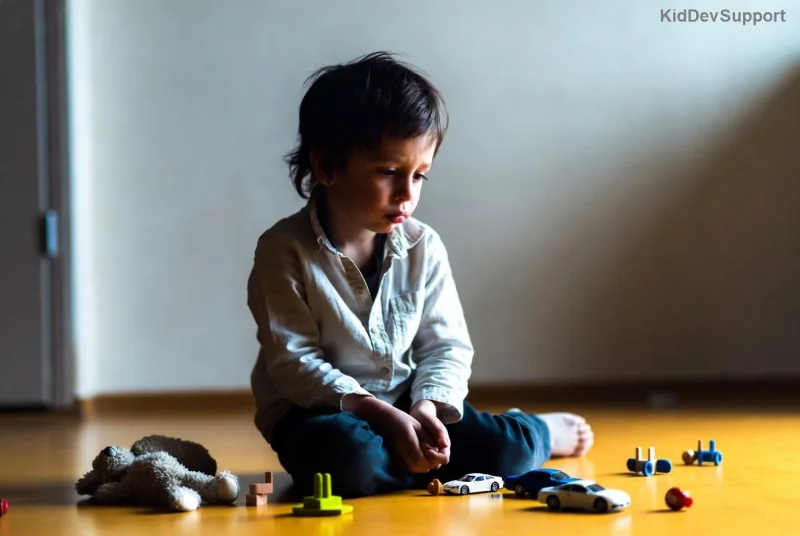
The foundation of a brighter future for the autism community starts with knowledge. Widespread education dispels myths and promotes empathy. Schools, workplaces, and communities must integrate autism awareness programs.
- Implement mandatory training for educators and employers on ASD traits 🏫.
- Launch public campaigns using social media to share real stories from the autism community.
- Partner with organizations like the Autism Speaks for resources.
Recent studies show that awareness training reduces stigma by up to 40%, paving the way for acceptance.
2. Advocate for Inclusive Policies and Legislation
Strong policies ensure equal opportunities. Push for laws mandating accommodations in education, employment, and healthcare.
| Policy Area |
Key Actions |
Expected Impact |
| Education |
IEP mandates and sensory-friendly classrooms |
Higher graduation rates 🏆 |
| Employment |
Anti-discrimination laws and job quotas |
Increased workforce participation |
| Healthcare |
Insurance coverage for therapies |
Better mental health outcomes 💊 |
By lobbying lawmakers, we can create systemic change for the autism community.
![Inclusive education for autism spectrum]()
3. Enhance Access to Tailored Support Services
Personalized services are crucial. Early intervention therapies like ABA and speech therapy yield the best results when accessible.
- Expand telehealth options for rural families.
- Fund respite care for caregivers to prevent burnout 😊.
- Develop vocational training programs focused on strengths like detail-oriented skills.
The latest CDC guidelines emphasize early screening, which improves long-term independence.
4. Invest in Cutting-Edge Autism Research and Innovation
Innovation drives progress. Support research into genetics, biomarkers, and tech aids like AI communication apps.
Recent breakthroughs include wearable devices monitoring stress levels, helping individuals self-regulate. Collaborate with institutions like the CDC for funded trials.
"Investing in research today builds independence tomorrow." – Leading autism experts
5. Foster Community Building and Peer Support
Connection combats isolation. Create safe spaces for meetups, online forums, and mentorship programs within the autism community.
- Organize autism-friendly events with sensory controls 🎉.
- Build apps for neurodiverse networking.
- Encourage family support groups for shared experiences.
Peer networks boost confidence and reduce anxiety, as per the newest surveys.
![Community support in autism spectrum disorder]()
6. Promote Employment Opportunities and Economic Empowerment
Adults with autism face high unemployment. Tailored job programs leverage unique talents in tech, art, and data analysis.
Initiatives like Specialisterne have employed thousands globally. Companies should adopt neurodiversity hiring, offering flexible hours and quiet spaces.
Quick Tip: Start a local job fair for the autism community – one event can change lives! 💼
7. Empower Families and Caregivers
Families are the backbone. Provide training, financial aid, and mental health resources.
Workshops on positive behavior support and self-care ensure sustainability. Recent programs show caregiver well-being directly correlates with better outcomes for individuals with ASD ❤️.
Measuring Success: Key Metrics for a Brighter Future
Track progress with these indicators:
| Metric |
Target Goal |
| Employment Rate |
50% increase |
| Early Diagnosis |
Under age 3 for 90% |
| Quality of Life Scores |
20% improvement |
Conclusion: Your Role in Building a Brighter Future for the Autism Community
Transforming lives requires action from individuals, governments, and businesses. Start small: educate yourself, advocate locally, or donate to research. Together, we can create an inclusive world where the autism community thrives. What step will you take today? Share your thoughts below and join the movement for lasting change 🌟.
For more resources, visit trusted sites like the WHO.