In today's fast-paced educational landscape, parents of children on the autism spectrum often face unique challenges in traditional schooling. Overwhelming environments, rigid schedules, and one-size-fits-all teaching methods can hinder progress. Enter homeschooling for children with autism—a powerful alternative that's gaining momentum among families worldwide. This approach offers tailored support that aligns perfectly with each child's needs, fostering growth, confidence, and joy. 🌟
Recent studies highlight how homeschooling autism children leads to improved academic outcomes and emotional well-being. If you're exploring options, read on to uncover the key advantages that make this choice a game-changer.

1. Personalized Learning Tailored to Individual Needs
One of the standout benefits of homeschooling for children with autism is the ability to customize education. Traditional classrooms often struggle with diverse learning styles, but homeschooling allows parents to adapt curricula to sensory preferences, strengths, and challenges.
For instance, children with autism may excel in visual learning or need frequent breaks. Homeschoolers can integrate tools like interactive apps, hands-on projects, or specialized programs designed for neurodiverse learners. The newest data from educational research shows that personalized plans boost retention rates by up to 40% in autistic children compared to standard methods.
- Custom Pace: No pressure to keep up with peers—progress at a comfortable speed.
- Interest-Led Lessons: Dive deep into passions like math patterns or art, sparking intrinsic motivation.
- Therapy Integration: Seamlessly blend speech or occupational therapy into daily routines. ✅
2. Reduced Sensory Overload and Stress
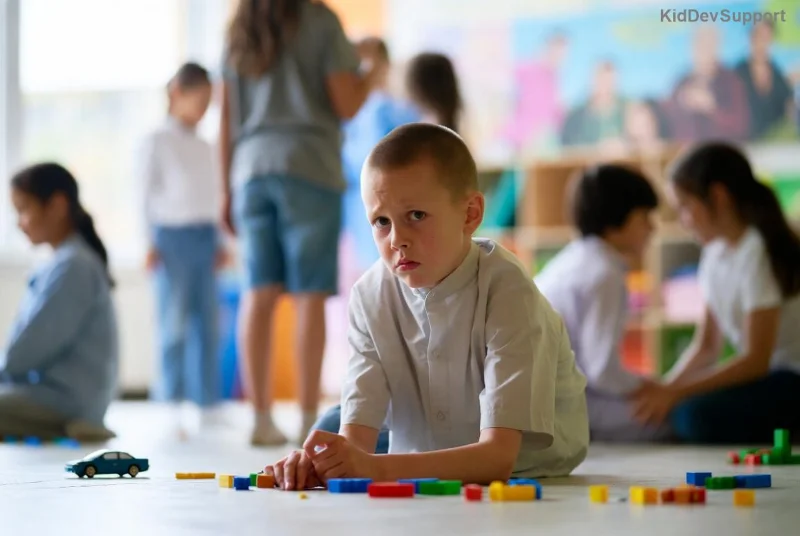
School environments—buzzing bells, crowded hallways, fluorescent lights—can trigger meltdowns for many on the spectrum. Homeschooling for children with autism eliminates these triggers, creating a calm, predictable space.
Parents report fewer anxiety episodes and better focus. According to the latest insights from autism advocacy groups, homeschool families see a significant drop in behavioral challenges, allowing kids to thrive without constant overwhelm.
3. Flexible Schedules for Optimal Routines
Autistic children often flourish with structure, yet traditional schools impose inflexible timetables. With autism homeschooling, you design the day around peak focus times, incorporating movement breaks, naps, or quiet periods.
This flexibility supports better sleep, nutrition, and overall health—crucial for cognitive development. Imagine starting lessons after a calming morning walk or ending early for family therapy sessions.
Socialization on Your Child's Terms
A common myth is that homeschooling isolates kids. In reality, homeschooling autism enables meaningful interactions via co-ops, park meetups, or online communities tailored for neurodiverse peers.
These settings reduce social anxiety, as children practice skills in low-pressure scenarios. Recent surveys indicate homeschooled autistic kids develop stronger, lasting friendships than many school counterparts.
![Happy family homeschooling child with autism]()
Emotional and Mental Health Support
Parents provide immediate emotional regulation, validating feelings and teaching coping strategies in real-time. This builds resilience and self-esteem, key for long-term success.
The newest psychological research underscores how familial bonds in homeschool settings enhance emotional intelligence, reducing risks of depression often seen in schooled autistic youth.
Proven Academic and Developmental Gains
Don't just take our word—data backs it up. Homeschooled children with autism often outperform peers in standardized tests, thanks to focused, repetition-friendly instruction.
Here's a quick comparison:
| Aspect |
Traditional School |
Homeschooling for Children with Autism |
| Learning Pace |
Fixed for class |
Individualized |
| Sensory Environment |
High stimulation |
Controlled and calm |
| Social Interactions |
Forced group settings |
Curated, quality experiences |
| Academic Outcomes |
Average for spectrum |
Often above average 🏅 |
Practical Tips to Get Started with Autism Homeschooling
Ready to explore? Start small:
- Assess your child's needs with a professional evaluation.
- Choose curricula like Time4Learning or Autism Curriculum resources.
- Join homeschool groups for support—many specialize in autism.
- Track progress with simple journals to celebrate wins. ✨
For more guidance, check the Autism Speaks resource hub or CDC Autism Page.
Real Stories of Success
Countless families share triumphs: One parent notes their nonverbal son now reads fluently through patient, visual homeschooling. Another saw meltdowns vanish in a home sanctuary. These stories inspire—your journey could be next.
Conclusion: Empower Your Child Today
The benefits of homeschooling for children with autism extend far beyond academics—they nurture happy, capable individuals ready for life. While not for everyone, it's a proven path for many. Consult educators and therapists to decide. Your child's potential awaits—unlock it with homeschooling autism. What step will you take first?
FAQ: Common Questions on Homeschooling for Children with Autism
Is homeschooling legal for autistic kids? Yes, in most places with minimal regulations—check local laws.
Does it prepare them for the real world? Absolutely, with intentional socialization and life skills focus.
What about costs? Often lower than private therapies, with free public resources available.
Stay tuned for more tips—your family's success story starts here! 💪