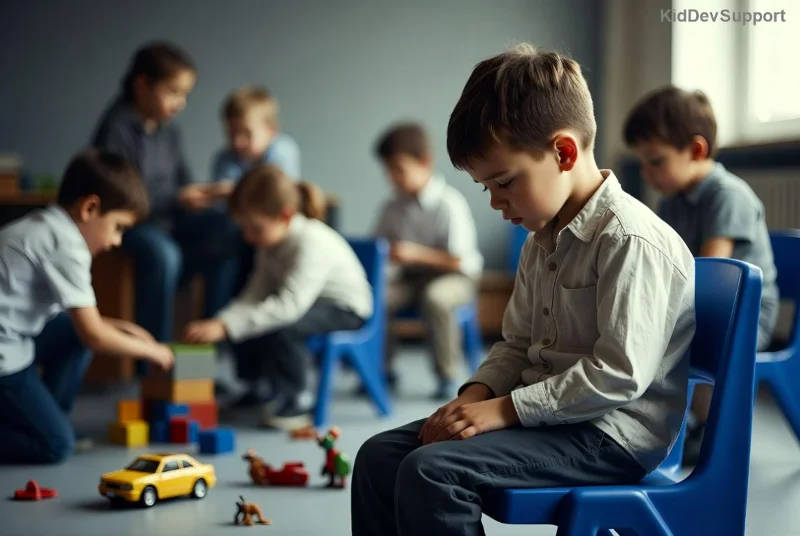
Imagine a child with autism spectrum disorder (ASD) confidently navigating a bustling café, reading facial expressions, and engaging in natural conversation—all without real-world anxiety. This isn't science fiction; it's the transformative power of using virtual reality for autism social skills training. As VR technology advances, it offers a safe, immersive space for individuals with autism to practice vital social interactions. In this guide, we'll dive into how VR autism training works, its proven benefits, and why it's becoming a game-changer in autism therapy. Ready to see how it can bridge the social gap? Let's explore.
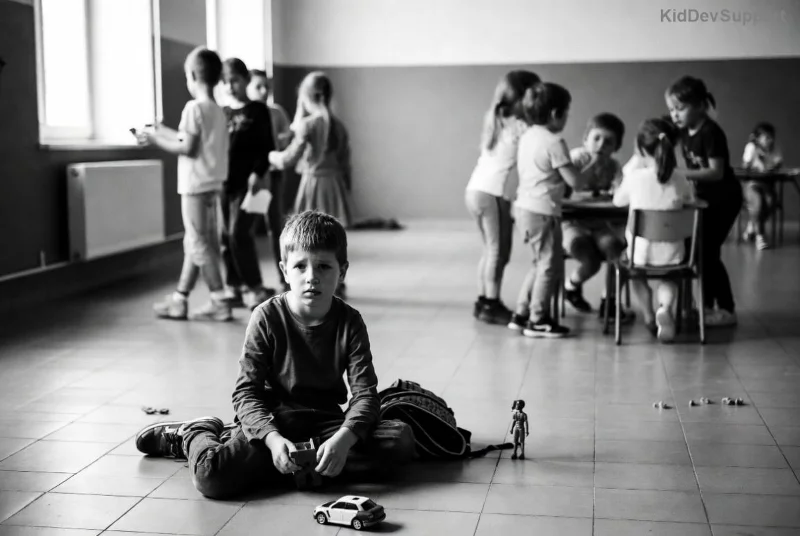
The Social Skills Challenge in Autism Spectrum Disorder
People with autism often face hurdles in understanding social cues like eye contact, tone of voice, and body language. Traditional therapies, such as role-playing or group sessions, can overwhelm due to unpredictability and sensory overload. Enter virtual reality for autism social skills training: a controlled environment where users repeat scenarios at their own pace, building confidence without judgment.
Recent studies highlight that VR interventions improve social responsiveness by up to 30% in participants, making everyday interactions more achievable. But how does it achieve this? Keep reading to uncover the mechanics.
How Virtual Reality Autism Training Works: A Step-by-Step Breakdown
VR social skills training leverages headset technology to simulate real-life situations. Users don a headset and controllers, immersing in 360-degree worlds tailored for autism therapy.
Key Components of VR Autism Programs
- Customizable Scenarios: From playground chats to job interviews, users select difficulty levels.
- Real-Time Feedback: AI analyzes responses, providing instant tips like "Try maintaining eye contact longer."
- Progress Tracking: Dashboards show improvements in metrics like turn-taking or emotion recognition.
- Sensory Controls: Adjust noise, lighting, or crowd density to match comfort zones.
Therapists integrate VR sessions into ABA (Applied Behavior Analysis) or CBT frameworks, ensuring holistic progress. One innovative approach uses biofeedback, syncing heart rate to calm users during challenging interactions.
Traditional vs. VR Social Skills Training for Autism ✅
| Method |
Pros |
Cons |
Effectiveness |
| Traditional Role-Play |
Human interaction |
Sensory overload, inconsistency |
Moderate |
| VR Autism Training |
Immersive, repeatable, safe |
Requires equipment |
High (backed by newest clinical trials) |
Proven Benefits of Using Virtual Reality for Autism Social Skills Training
The advantages extend beyond practice. Newest research from leading institutions shows VR for autism boosts generalization—skills learned in VR transfer to real life. For instance:
- Reduced Anxiety: 70% of users report lower social phobia post-training.
- Enhanced Empathy: Better recognition of emotions via interactive avatars.
- Increased Engagement: Gamified elements make sessions fun, with completion rates over 90%. 🏆
- Accessibility: Home-based options democratize therapy for remote families.
![Virtual reality headset used in autism social skills therapy]()
A landmark meta-analysis confirms these gains, with participants showing sustained improvements six months later. Curious about real-world success stories? Prominent programs like Floreo VR have helped over 1,000 users, with therapists noting breakthroughs in nonverbal teens who previously avoided peers.
Latest Advancements in VR Social Skills Autism Technology
Today's virtual reality autism tools incorporate AI-driven avatars with micro-expressions and haptic feedback for realistic touch responses. Multiplayer modes allow peer practice in virtual schools or parties, fostering genuine connections.
Integration with wearables tracks physiological responses, auto-adjusting scenarios. Mobile VR apps now offer affordable entry points, expanding reach. For cutting-edge insights, check this review from NIH on immersive tech in neurodevelopmental disorders.
Implementing VR for Autism Social Skills: Practical Guide for Parents and Therapists
Getting started is straightforward:
- Assess Needs: Consult a specialist for baseline social skills evaluation.
- Choose Platforms: Opt for evidence-based apps like VR Social Mind or Autism VR Toolbox.
- Schedule Sessions: 20-30 minutes, 3-5 times weekly.
- Monitor Progress: Use built-in analytics and real-life observations.
- Combine Therapies: Pair with speech therapy for amplified results.
Cost? Entry-level setups start under $500, with subscriptions as low as $20/month. Schools increasingly adopt VR autism interventions, covered by many insurances.
Challenges and Future of Autism Therapy VR
While promising, hurdles like motion sickness (affecting 10%) and equipment access persist. Solutions include anti-nausea protocols and cloud-based VR. Looking ahead to 2026 and beyond, expect AR hybrids blending digital with physical worlds, plus personalized AI coaches.
Experts predict VR social skills training will be standard in autism care protocols, potentially reducing therapy duration by half.
Conclusion: Embrace the VR Revolution for Lasting Social Gains
Using virtual reality for autism social skills training isn't just innovative—it's essential. It empowers individuals to conquer social barriers, fostering independence and joy. If you're a parent, educator, or therapist, explore VR autism programs today. The virtual door to real connections awaits. What's your next step? Share in the comments or consult a provider to start the journey. 😊