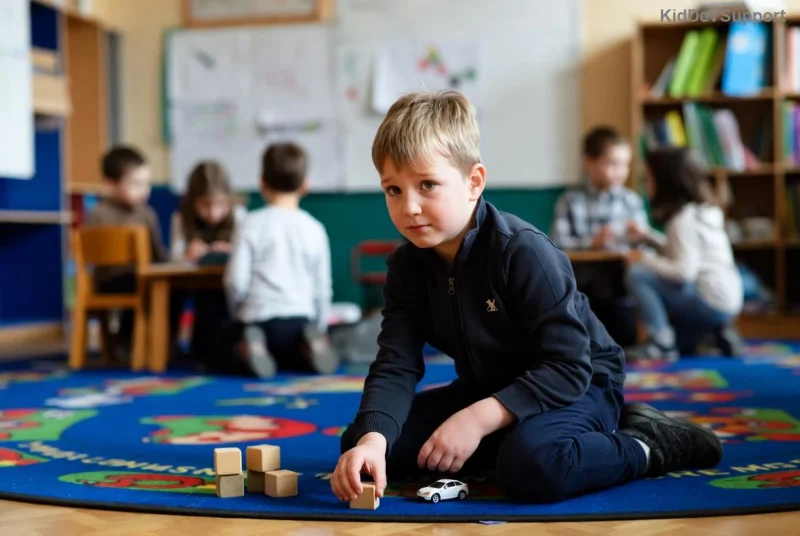
Potty training a child with autism can feel like navigating a maze without a map. Many parents face unique hurdles, from sensory sensitivities to communication gaps, making traditional methods fall short. But with the right strategies for success, it's achievable. This guide breaks down the potty training challenges in autism and delivers practical, evidence-based solutions to help your child thrive. 🏆
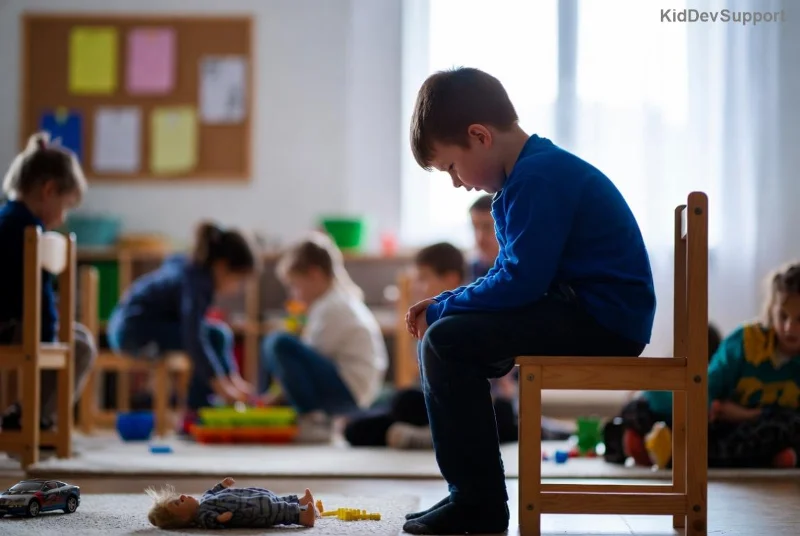
Understanding Potty Training Challenges in Autism
Children on the autism spectrum often experience potty training challenges in autism due to core traits like delayed communication, routine rigidity, and sensory processing differences. Recent research highlights that up to 70% of autistic children face prolonged toilet training compared to neurotypical peers.
Common Obstacles
- Sensory Sensitivities: Noises from flushing toilets or cold seats can trigger meltdowns.
- Communication Barriers: Difficulty expressing the need to go or understanding instructions.
- Routine Resistance: Preference for diapers as a familiar comfort zone.
- Motor Skill Delays: Challenges with pulling pants up/down or aiming.
These issues aren't defiance—they stem from neurological differences. Recognizing them is the first step toward tailored strategies for success.
Essential Preparation Before Starting Potty Training in Autism
Success begins with readiness. Assess your child's signs: staying dry for two hours, interest in the bathroom, or discomfort with wet diapers. Use visual checklists to track progress.
Readiness Checklist for Potty Training Autism
| Sign of Readiness |
Observed? (Yes/No) |
Notes |
| Stays dry for 2+ hours |
|
|
| Shows interest in bathroom routines |
|
|
| Can follow simple 2-step instructions |
|
|
| Tolerates sitting on toilet |
|
|
| Pulls pants up/down independently |
|
|
Consult a pediatrician or behavioral therapist for personalized advice. Resources like Autism Speaks offer free toolkits.
Proven Strategies for Success in Potty Training Challenges in Autism
Move beyond generic advice. These autism-specific strategies for potty training autism draw from the latest behavioral interventions.
1. Create a Visual Schedule and Social Stories
Visual supports are game-changers. Develop a picture-based potty schedule showing steps: enter bathroom → sit → wipe → flush → wash hands. Social stories explain "what happens next" in simple sentences with photos.
- Use apps like Proloquo2Go for customizable visuals.
- Practice dry runs multiple times daily to build familiarity.
2. Address Sensory Issues Head-On
Make the toilet inviting. Install soft seat covers, play calming music, or use a potty chair in a quiet space. Gradual desensitization: start with sitting clothed, progress to bare-bottom trials.
![Supportive potty training environment for autism]()
3. Implement Positive Reinforcement
Reward immediately with praise, stickers, or preferred toys—not food, to avoid dependency. Token economies work wonders: earn 5 tokens for a big reward. Consistency is key; involve all caregivers.
4. Schedule Toilet Sits
Every 30-60 minutes, prompt sits for 5-10 minutes. Use timers with fun alarms. Track successes in a chart to visualize progress.
Sample Weekly Potty Training Schedule for Autism
| Time |
Activity |
Visual Cue |
Reward |
| 8 AM |
Morning potty sit |
Picture card |
Sticker |
| After meals |
Prompted sit |
Timer |
Praise |
| Bedtime |
Final sit |
Social story |
Hug/story |
5. Handle Regression and Setbacks
Accidents happen—especially during illness or changes. Revert to diapers briefly if needed, then rebuild. Latest studies emphasize patience; average success takes 6-12 months for autistic children.
6. Nighttime Training and Advanced Tips
Daytime mastery precedes nights. Limit evening fluids, use bed alarms. For severe challenges, consider occupational therapy for sensory integration.
Real-Life Success Stories and Expert Insights
Parents report breakthroughs using these methods. One family combined visuals with ABA therapy, achieving full independence in months. Experts from the CDC stress individualized plans. 🩺
Monitor for constipation, common in autism due to diet sensory issues. Hydrate and add fiber-rich foods.
Tools and Resources for Potty Training Autism
- Books: "The Potty Journey" by Judith Coucouvanis.
- Apps: Potty Time, First Then Visual Schedule.
- Products: Portable potties, reward charts.
Final Thoughts: Your Path to Victory
Conquering potty training challenges in autism requires persistence, but the strategies for success outlined here pave the way. Start small, celebrate wins, and seek professional support. Your child’s independence is within reach—imagine the pride of that first unprompted success! 💪
Ready to begin? Download a free visual schedule template or share your story in the comments. For tailored advice, consult a specialist today.