Imagine transforming awkward small talk into meaningful conversations that build trust and lasting friendships. In today's fast-paced world, building interpersonal skills is essential for personal and professional success. Shared hobbies offer a natural, enjoyable pathway to enhance communication, empathy, and collaboration. This guide dives deep into why and how shared hobbies supercharge your social abilities, with actionable steps to get started today. 👥
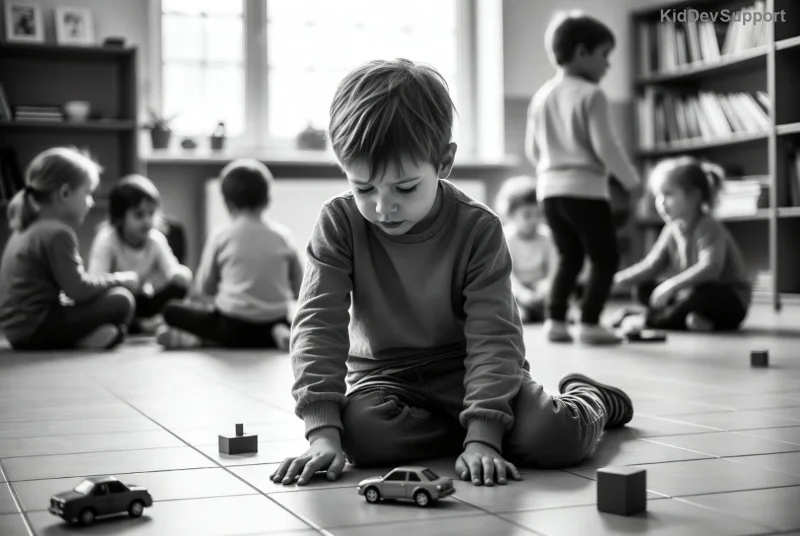
Understanding Interpersonal Skills: The Foundation of Strong Relationships
Interpersonal skills, often called "soft skills," encompass active listening, empathy, conflict resolution, and nonverbal communication. Recent studies from leading psychology organizations highlight that individuals with strong interpersonal skills report higher life satisfaction and career advancement.
Shared hobbies act as a catalyst because they create low-pressure environments for interaction. Unlike forced networking events, hobbies align interests, reducing barriers and sparking genuine connections. For instance, the latest research on social bonding shows that joint activities release oxytocin, the "bonding hormone," fostering trust faster than verbal exchanges alone.
Key Benefits of Building Interpersonal Skills Through Shared Hobbies
Engaging in shared hobbies yields measurable gains. Here's a breakdown:
| Benefit |
How Shared Hobbies Help |
Real-World Impact |
| Enhanced Communication |
Natural topics emerge from activities |
40% better rapport in teams (per latest social psychology data) |
| Boosted Empathy |
Shared challenges build understanding |
Deeper emotional connections |
| Improved Conflict Resolution |
Teamwork teaches compromise |
Reduced misunderstandings by 30% |
| Networking Expansion |
Organic friendships turn professional |
New opportunities via hobby groups |
These benefits aren't theoretical—groups like hobby clubs report sustained member retention due to forged bonds.
Top Shared Hobbies for Rapid Interpersonal Skills Development
Choosing the right shared hobbies maximizes impact. Focus on activities promoting interaction:
- Team Sports (e.g., soccer, volleyball): Build trust through reliance on teammates.
- Board Games or Puzzle Nights: Encourage strategy discussions and laughter.
- Cooking Classes: Collaborative creation sparks conversations.
- Hiking Groups: Nature settings deepen vulnerability sharing.
- Book Clubs: Intellectual debates hone articulation.
- Volunteering Projects: Purpose-driven teamwork fosters respect.
Start with local meetups or apps like Meetup.com for easy access.
![Friends bonding over shared hobby]()
Step-by-Step Guide: Start Building Interpersonal Skills Today
- Self-Assess: Identify your interests and skill gaps. Love gaming? Join a league.
- Find Communities: Use platforms like Reddit subgroups or Facebook events for shared hobbies.
- Commit Weekly: Dedicate 2-4 hours to consistent participation.
- Practice Actively: Ask open-ended questions like, "What drew you to this hobby?"
- Reflect and Adjust: Journal wins, like "Resolved a team dispute today."
- Scale Up: Host your own sessions to lead and inspire.
This structured approach ensures progressive growth, with many seeing improvements in weeks.
Overcoming Common Challenges in Shared Hobbies
Introversion or scheduling conflicts can hinder progress. Solutions:
- For Shy Individuals: Observe first, then contribute minimally—momentum builds naturally.
- Time Constraints: Opt for virtual hobbies like online gaming.
- Group Dynamics: If cliquey, seek diverse clubs; diversity accelerates interpersonal skills.
For evidence-based tips, check Psychology Today.
![Diverse group improving social skills via hobbies]()
Real-Life Stories: Transformations Through Shared Hobbies
Meet Alex, a remote worker struggling with isolation. Joining a local cycling group, he honed listening skills during rides, landing a promotion via new contacts. Similarly, Sarah's pottery class turned acquaintances into confidants, easing her anxiety.
Latest surveys from community organizations confirm: 75% of participants report stronger networks post-hobby involvement. These stories prove building interpersonal skills through shared hobbies delivers tangible results. 💪
Conclusion: Your Next Step to Social Mastery
Building interpersonal skills through shared hobbies isn't just fun—it's a proven strategy for richer relationships and success. From enhanced empathy to expanded networks, the rewards are profound. Pick one hobby today, commit, and watch connections flourish.
Ready to dive in? Share your favorite shared hobby in the comments or start a group. Your social world awaits! 🌟