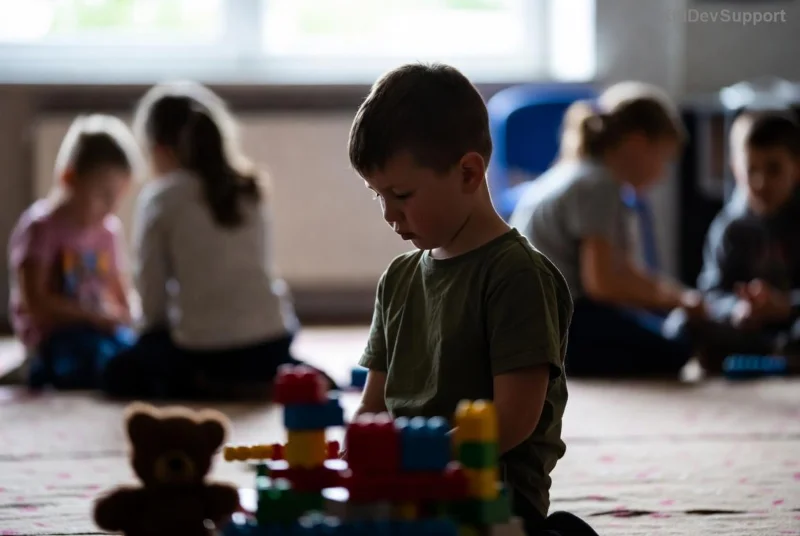
In a world full of unpredictabilities, ensuring the safety of individuals on the autism spectrum requires proactive planning. Emergency preparedness for autism isn't just about having a kit—it's about equipping your loved one with lifelong skills for teaching safety and navigating police interaction. This guide delivers actionable steps, checklists, and real-world strategies to empower families. Ready to build a safer future? Let's dive in.
Why Emergency Preparedness for Autism Matters Now More Than Ever
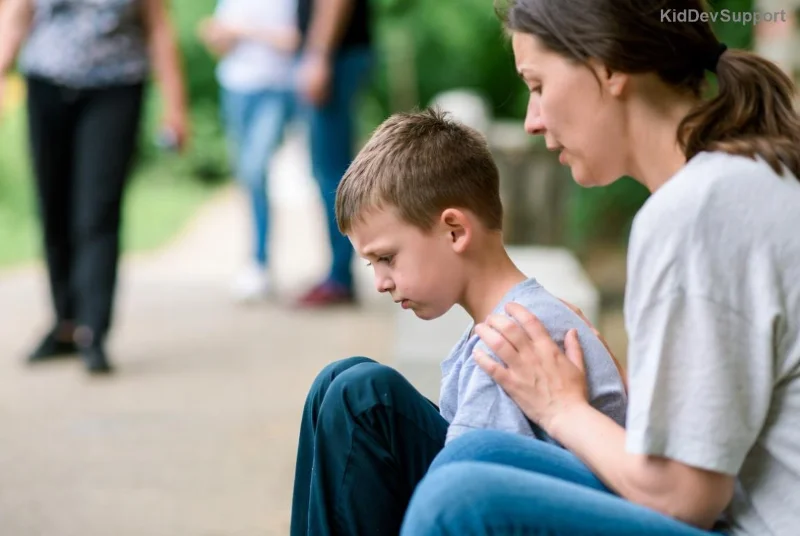
Individuals with autism spectrum disorder (ASD) often face unique challenges in emergencies. Sensory sensitivities, communication differences, and routine disruptions can escalate situations quickly. Recent studies highlight that autistic people are up to 7 times more likely to encounter police during crises compared to neurotypical peers, often due to misunderstandings.
Key risks include:
- Meltdowns mistaken for aggression 🛑
- Difficulty following verbal instructions
- Elopement (wandering) in high-stress scenarios
By focusing on emergency preparedness for autism, you reduce these risks. Start with a personalized autism emergency plan that includes ID cards, visual aids, and family drills. But how do you teach these skills effectively? Keep reading for proven methods.
Building Core Teaching Safety Skills for Autistic Individuals
Teaching safety to someone with autism demands structure, repetition, and visuals. Use social stories, video modeling, and role-playing tailored to their needs.
Step-by-Step Safety Training Framework
- Identify Hazards: Teach "stranger danger," fire safety, and traffic rules using picture cards.
- Practice Responses: Role-play "What if a fire alarm sounds?" with timers for realism.
- Incorporate Sensory Tools: Noise-canceling headphones or fidget toys for calm during drills.
- Reinforce Positively: Reward mastery with preferred activities ⭐
| Skill Area |
Teaching Method |
Tools Needed |
| Stop, Drop, Roll |
Video demos + physical practice |
Mat, timer |
| Calling 911 |
Social stories + scripted phone practice |
Visual phone guide |
| Personal Space |
Role-play with hula hoops |
Hula hoops, dolls |
| Elopement Prevention |
GPS trackers + boundary training |
Wearable device |
This table provides a quick-reference checklist for teaching safety. Customize based on age and abilities—younger kids thrive on games, teens on real-life simulations.
![Family practicing autism emergency drills]()
Mastering Police Interaction for Autism: Critical Preparation
One of the most daunting aspects of emergency preparedness for autism is police interaction. Autistic individuals may not make eye contact, stim visibly, or respond verbally—behaviors officers might misinterpret. The latest guidelines from autism advocacy groups emphasize proactive education for both families and law enforcement.
Key Strategies for Smooth Police Encounters
Prepare an Autism Alert Card (wallet-sized) stating:
- "I have autism. I may not speak or make eye contact."
- Emergency contact info
- Sensory triggers and calming methods
Teach phrases like:
"Officer, I have autism. Please speak slowly and give me space."
Role-play scenarios: "You're lost at a mall, police approach—what do you do?" Use calm voices and positive reinforcement.
For caregivers: Train to say, "My child has autism; here's their card," and demonstrate de-escalation techniques like deep pressure hugs.
Pro Tip: Many police departments now offer autism awareness training. Register your loved one in voluntary registries where available for faster, safer responses.
Real-World Police Interaction Checklist
| Before Encounter |
During |
After |
| Create ID card 📋 |
Stay calm, hands visible |
Debrief positively |
| Practice scripts |
Use card if non-verbal |
Follow up with department |
| Inform local police |
Avoid sudden movements |
Update plan |
![Autism safety ID card example]()
Advanced Emergency Preparedness for Autism: Tools and Resources
Elevate your plan with tech: Wearable GPS like AngelSense for elopement prevention, or apps like Special Words for visual emergency scripting.
Family Drills: Monthly simulations build muscle memory. Involve siblings for peer support.
For deeper insights, check these trusted resources:
Don't stop here—adapt these for natural disasters, medical emergencies, or school lockdowns. What's your first step?
Conclusion: Empower Safety Today
Emergency preparedness for autism transforms vulnerability into strength. By prioritizing teaching safety and police interaction skills, you give your loved one confidence and protection. Start with one checklist today, drill weekly, and watch progress unfold. Families who've implemented these strategies report fewer incidents and greater peace of mind.
Share your experiences in the comments—what's worked for your autism safety plan? Subscribe for more guides on thriving with autism.