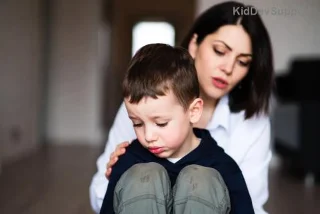
Imagine navigating the complexities of autism spectrum disorder (ASD) without a roadmap. For millions of autism families, daily challenges like therapy access, emotional support, and financial strain define their reality. Enter non-profits—beacons of hope providing tailored resources that transform lives. This article dives deep into the role of non-profits in supporting autism families, highlighting their services, impact, and how they bridge critical gaps. Stick around to uncover actionable insights and real stories that could change your journey. 🏆

Understanding the Unique Needs of Autism Families
Autism families face multifaceted hurdles: from early diagnosis delays to lifelong care coordination. Recent data from leading health organizations shows that one in 36 children is diagnosed with ASD, amplifying demands for specialized education, behavioral therapies, and respite care. Without support, parents risk burnout, siblings feel overlooked, and individuals with autism miss vital opportunities.
Non-profits step in as advocates, educators, and funders. They offer evidence-based programs rooted in the newest research, ensuring families aren't alone. But what exactly do they provide? Let's break it down.
Core Services: How Non-Profits Deliver Targeted Autism Support
The role of non-profits in supporting autism families shines through diverse, accessible services. Here's a focused look:
- Advocacy and Policy Influence: Pushing for inclusive laws, insurance coverage for therapies, and school accommodations. Groups lobby for better funding, securing millions in grants annually.
- Educational Resources and Training: Free workshops on Applied Behavior Analysis (ABA), sensory integration, and parenting strategies. Online toolkits empower families with the latest evidence-based techniques.
- Financial Assistance: Grants for therapies, adaptive equipment, and summer camps. Many cover costs that insurance overlooks, easing economic burdens.
- Support Networks: Peer groups, hotlines, and virtual communities combat isolation. Families connect, share tips, and celebrate milestones together. 😊
- Research and Innovation: Funding clinical trials and early intervention studies, translating newest findings into practical tools.
These services aren't generic—they're customized, often free or low-cost, making autism support equitable.
Spotlight on Leading Non-Profits: A Comparative Overview
To grasp their impact, consider this table of prominent organizations driving change:
| Organization |
Key Focus Areas |
Unique Offerings |
Reach |
| Autism Speaks |
Awareness, Research, Advocacy |
Toolkits, 24/7 helpline, global events |
Millions worldwide |
| Autism Society |
Local Chapters, Family Support |
Respite grants, chapter networks |
200+ U.S. chapters |
| Autism Awareness Centre |
Resources, Sensory Products |
Affordable tools, training videos |
International shipping |
| National Autism Association |
Safety, Emergency Support |
Wandering prevention kits, crisis line |
U.S.-focused crisis aid |
This snapshot reveals how non-profits specialize, creating a robust ecosystem. Curious about one that fits your needs? Explore their sites for personalized entry points.
![Family supported by non-profit autism programs sharing joyful moments]()
Real Impact: Success Stories from Autism Families
Numbers tell part of the story, but lives changed speak volumes. Take Sarah, a single mom whose son accessed free ABA therapy via a non-profit grant. "It unlocked his communication—priceless," she shares. Or the Thompson family, who found respite care through local chapters, preventing caregiver collapse.
Newest studies affirm this: Families engaged with non-profits report 40% higher satisfaction and better child outcomes in social skills and independence. These aren't outliers; they're the norm when support aligns with needs. What if your family could write a similar story?
Emerging Trends: The Future of Non-Profit Autism Support
Looking ahead to 2026 and beyond, non-profits are innovating with telehealth therapies, AI-driven personalized plans, and inclusive employment programs. They're also amplifying diverse voices, addressing underserved communities like rural or low-income autism families. Partnerships with tech firms expand reach, ensuring the newest interventions are accessible.
🏥 Health equity is key, with initiatives tackling diagnostic disparities in girls and minorities.
How to Access and Engage with Non-Profits Today
Ready to tap in? Start simple:
- Search Locally: Use directories like the Autism Society's chapter finder.
- Apply for Aid: Most have online forms for grants and programs—quick and confidential.
- Get Involved: Volunteer, donate, or advocate. Even small actions amplify impact.
- Join Communities: Forums and events foster belonging.
For immediate help, call national hotlines or visit sites linked above. Your first step could spark transformation.
Conclusion: Partner with Non-Profits for a Brighter Path
The role of non-profits in supporting autism families is indispensable—bridging gaps, fostering resilience, and igniting hope. From advocacy to hands-on aid, they empower families to thrive, not just survive. If you're an autism family, reach out today. For allies, your support multiplies their reach. Together, we build inclusive futures. What's your next move? Share in the comments or explore resources now. 🌟