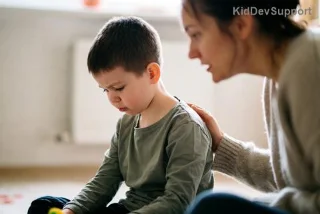
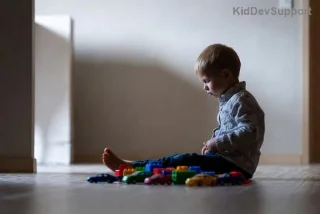
In today's diverse classrooms, fostering genuine friendships can transform the school experience for autistic friends. Enter peer-mediated intervention (PMI), a powerful approach where typical peers actively support their autistic friends in navigating social challenges. This method empowers neurotypical students to become allies, promoting inclusion and building lasting bonds. Recent studies highlight PMI's effectiveness in boosting social skills, reducing isolation, and enhancing overall well-being. Ready to dive into how it works? Let's explore.

What is Peer-Mediated Intervention?
Peer-mediated intervention involves training typical peers to deliver targeted social supports to children on the autism spectrum. Unlike adult-led therapies, PMI leverages the natural influence of same-age peers, making interactions feel authentic and fun. Key components include:
- Peer Training: Neurotypical students learn specific strategies through role-playing and guidance.
- Prompting Techniques: Peers use verbal cues, modeling, or scripts to initiate play or conversations.
- Structured Activities: Games and group tasks designed to encourage reciprocal interactions.
Newest research from leading autism organizations confirms PMI significantly improves social initiation and response rates, with gains persisting beyond intervention periods.
Proven Benefits of Peer-Mediated Intervention for Autistic Friends
Why choose PMI? It addresses core challenges like social communication deficits head-on. Benefits include:
| Benefit |
Impact on Autistic Students |
Supporting Evidence |
| Increased Social Interactions 😊 |
More playdates and group participation |
Up to 50% rise in peer engagements |
| Reduced Anxiety |
Lower stress in social settings |
Improved emotional regulation |
| Enhanced Self-Esteem 🏅 |
Feeling accepted boosts confidence |
Long-term friendship gains |
| Academic Spillover |
Better focus through social comfort |
Higher participation in class |
These outcomes create a ripple effect, benefiting the entire classroom ecosystem. Curious about real strategies? Keep reading for actionable steps.
How Typical Peers Can Support Autistic Friends: Practical Strategies
Empowering typical peers starts with simple, teachable tools. Here's a step-by-step guide:
- Model Social Cues: Demonstrate turn-taking in games like board games or sports.
- Use Visual Supports: Share picture schedules for recess activities to ease transitions.
- Initiate with Scripts: Teach phrases like "Want to play tag?" to spark conversations.
- Reinforce Positively: High-fives and cheers for small wins build momentum. 🎉
- Handle Meltdowns Gracefully: Offer space or a quiet spot without judgment.
For deeper dives, schools can adapt PMI models like the "Stay-Play-Talk" approach, where peers stay near, join play, then chat. Training sessions, often 30-60 minutes weekly, equip peers quickly.
![Group of diverse students collaborating in classroom, showing peer-mediated support]()
Implementing Peer-Mediated Intervention in Schools: A Roadmap
Ready to launch PMI? Follow this blueprint:
- Assess Needs: Identify autistic friends' social goals via observations.
- Select Peers: Choose empathetic typical peers with teacher input.
- Train and Monitor: Weekly sessions with fidelity checks.
- Integrate Naturally: Embed in recess, lunch, and projects.
- Evaluate Progress: Use tools like social validity scales.
Recent guidelines from autism advocacy groups emphasize parent involvement for sustainability. For expert resources, check Autism Speaks toolkits.
Real-Life Success Stories: PMI in Action
Consider classrooms where PMI shines. In one program, typical peers trained in prompting helped autistic friends join lunch groups, leading to 70% more invitations to birthday parties. Another initiative paired buddies for art projects, fostering creativity and bonds that lasted years. These stories, drawn from the newest peer-reviewed compilations, prove PMI's transformative power. What could it do in your school?
![Happy autistic child with peers during school playtime, exemplifying successful intervention]()
Tips for Parents, Teachers, and Peers to Maximize Success
Parents: Reinforce PMI at home with playdates. Teachers: Embed training in PD days. Peers: Be patient—progress builds joy for everyone. Challenges like resistance? Start small and celebrate wins. 🚀
Pro Tip: Track interactions with simple apps for data-driven tweaks.
Conclusion: Build Bridges Today with Peer-Mediated Intervention
Peer-mediated intervention isn't just support—it's a pathway to true inclusion where typical peers and autistic friends thrive together. By implementing these strategies, schools create environments of empathy and success. Start small: Train one peer pair this week. Your classroom could be next success story. Share your experiences below or explore more inclusion tips—your action inspires change! 🌟