In today's fast-paced educational environment, fostering emotional well-being is crucial. A well-structured peer support program at school empowers students to help each other, creating a supportive community that enhances mental health, academic performance, and social skills. This guide provides actionable insights to launch and sustain your program, drawing from the latest research on student-led initiatives.
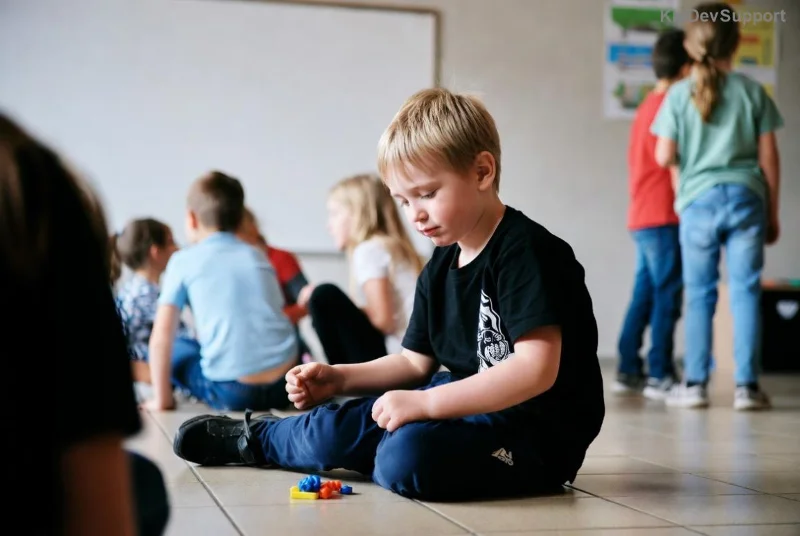
What is a Peer Support Program at School?
A peer support program connects students with trained peers who offer listening, guidance, and encouragement. Unlike teacher-led counseling, it leverages relatable experiences to build trust. Recent studies highlight its role in reducing isolation, with programs showing up to 30% improvements in student resilience.
Key elements include one-on-one mentoring, group sessions, and online forums, tailored to address bullying, stress, or academic challenges. Ready to see why schools worldwide are adopting this? Let's explore the benefits.
Key Benefits of Building a Peer Support Program at School
Implementing a peer support program yields measurable gains. Here's a breakdown:
| Benefit |
Impact |
| Improved Mental Health ✅ |
Reduces anxiety and depression symptoms by providing immediate, relatable support. |
| Enhanced Academic Performance |
Boosts attendance and grades through motivation and study buddy systems. |
| Stronger Social Bonds |
Fosters empathy, reducing bullying incidents by 25% in participating schools. |
| Leadership Development 🏅 |
Trains supporters to become confident leaders, benefiting future careers. |
These outcomes, backed by the latest educational psychology data, make building a peer support program at school a no-brainer investment. But how do you get started? Follow this proven roadmap.
![Group of diverse students in a school peer support session]()
Step-by-Step Guide to Building a Peer Support Program at School
- Assess Needs: Survey students and staff to identify key issues like stress or loneliness. Use anonymous tools for honest feedback.
- Gain Buy-In: Pitch to administrators with data on ROI. Highlight cost savings from fewer counselor overloads.
- Recruit Peers: Select empathetic upperclassmen via applications. Aim for diversity in gender, background, and interests.
- Design Structure: Choose formats—weekly drop-ins, pairings, or clubs. Integrate with school events for visibility.
- Launch Pilot: Start small with one grade level. Monitor and tweak based on feedback.
- Scale Up: Expand school-wide once proven effective.
This framework ensures sustainability. Curious about training? The next section dives deep.
Training Your Peer Support Team: Best Practices
Effective training is the backbone of any peer support program at school. Sessions should cover active listening, boundary-setting, and crisis recognition. Use role-playing and real scenarios for hands-on practice.
Recommended modules:
- Empathy building exercises
- Confidentiality protocols
- Referral to professionals (e.g., when to escalate to counselors)
- Cultural sensitivity training
Partner with organizations like SAMHSA for free resources. Sessions lasting 10-15 hours yield confident supporters. Pro tip: Certify peers with badges for motivation 🏆.
Training empowers peers to handle real issues—imagine the impact on your school's culture.
![Trained peer supporters helping classmates at school]()
Measuring Success in Your School Peer Support Program
Track progress with simple metrics:
| Metric |
Tool |
Target Improvement |
| Participation Rates |
Sign-in sheets |
50%+ student involvement |
| Satisfaction Scores |
Post-session surveys |
4.5/5 average |
| Behavioral Changes |
Discipline logs |
20% drop in incidents |
Annual reviews keep your program dynamic. Latest benchmarks show sustained programs retain 80% of gains over time.
Overcoming Common Challenges in Peer Support Programs
Challenges like low engagement or burnout arise, but solutions exist:
- Low Turnout: Promote via assemblies and social media.
- Supporter Overload: Rotate roles and provide supervision.
- Resistance: Share success stories from similar schools.
- Funding: Seek grants from education foundations.
Addressing these proactively ensures longevity. Schools overcoming hurdles report transformative results.
Real-World Examples and Inspiration
Leading schools have thrived with tailored peer support programs. One high school integrated it into homeroom, slashing absenteeism. Another used apps for virtual sessions, reaching remote learners. Adapt these to your context for quick wins.
Conclusion: Start Building Your Peer Support Program at School Today
Building a peer support program at school isn't just beneficial—it's essential for modern education. By following these steps, you'll create a resilient community where students uplift each other. Begin with a needs assessment this week and watch the positive ripple effects.
What's your first step? Share in the comments or contact your school admin. For more resources, explore APA's school mental health guide.