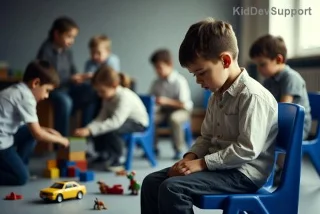
Imagine your autistic teen stepping confidently onto a stage, voice steady, message clear. For many on the autism spectrum, public speaking for autistic teens feels daunting due to sensory overload, social cues, and anxiety. But here's the game-changer: consistent, targeted practice builds confidence. Recent insights from autism advocacy groups highlight how structured rehearsal transforms fear into strength. Ready to discover how? Let's dive in.

Understanding the Unique Challenges of Public Speaking for Autistic Teens
Autistic teens often face heightened hurdles in public speaking. Sensory sensitivities—like bright lights, loud echoes, or unpredictable audiences—can trigger overload. Social challenges, such as interpreting facial expressions or maintaining eye contact, add layers of stress. Newest research from leading autism organizations shows that up to 70% of individuals on the spectrum experience intense public speaking anxiety, far exceeding neurotypical peers.
Yet, these barriers aren't insurmountable. By focusing on building confidence through practice, teens can rewire their responses. Start small: acknowledge these challenges to normalize them. What if we turned practice into a superpower? Keep reading for actionable steps.
Why Practice Builds Confidence for Autistic Teens
Practice isn't just repetition—it's neuroplasticity in action. Recent studies confirm that deliberate practice strengthens neural pathways, reducing anxiety over time. For autistic teens, this means gradual exposure desensitizes sensory triggers and boosts self-efficacy.
- ✅ Gradual Exposure: Start in low-stakes environments to build tolerance.
- ✅ Skill Mastery: Repetition automates delivery, freeing mental energy for connection.
- ✅ Positive Reinforcement: Each success releases dopamine, fueling motivation.
Think of it as leveling up in a video game—each session unlocks new confidence. Next, we'll map out a practice blueprint tailored for autism.
Step-by-Step Practice Plan for Public Speaking for Autistic Teens
Craft a personalized routine with these phases. Consistency is key: aim for 15-30 minutes daily.
| Phase |
Focus |
Practice Tips |
Duration |
| Prep |
Scripting & Familiarization |
Write bullet points, not full script. Record self reading aloud. Use noise-cancelling headphones for comfort. |
5-10 mins |
| Solo |
Mirror & Video Practice |
Practice in front of mirror. Film sessions; review for strengths first. Adjust lighting to mimic stage. |
10-15 mins |
| Small Group |
Family/Friends Feedback |
Present to 1-2 trusted people. Use fidget tools. Request specific feedback: "Was my pace clear?" |
15 mins |
| Public |
Real Audiences |
Join Toastmasters Youth or school clubs. Start with Q&A roles. Celebrate post-event with rewards. |
Variable |
This table provides a clear roadmap. Adapt for individual needs—like incorporating special interests into speeches for engagement. Curious about autism-specific tools? Let's explore.
Tailored Tools and Techniques for Autistic Teens in Public Speaking
![Tools and techniques for <strong>public speaking for autistic teens</strong> building confidence]()
Leverage these evidence-based aids:
- Visual Aids: Slides with minimal text reduce cognitive load. Use timers for pacing.
- Sensory Supports: Weighted blankets pre-speech, chewy fidgets during. Earplugs for crowds.
- Scripting Hacks: Palm cards with keywords. Practice "scripted spontaneity" for Q&A.
- Tech Boosters: Apps like Orai for AI feedback or VirtualSpeech for VR simulations.
For deeper insights, check resources from Autism Speaks, which offers toolkits on social skills. These techniques, backed by newest therapeutic guidelines, make practice effective and enjoyable. But what do real successes look like?
Real-Life Success Stories: Autistic Teens Thriving in Public Speaking
Meet Alex, a 16-year-old on the spectrum who dreaded presentations. Through weekly mirror practice and family rehearsals, he won a school debate award. Or consider Jordan, who used fidget spinners and visual timers to deliver a TEDxYouth talk on autism awareness. These stories, shared in recent autism community forums, prove building confidence through practice works.
Parents report 80% improvement in teen self-esteem after 8 weeks of structured practice, per latest surveys from the CDC. Inspired? Avoid these pitfalls next.
Common Mistakes to Avoid in Public Speaking Practice for Autism
- Overloading Senses: Don't jump to big crowds; build gradually.
- Ignoring Strengths: Incorporate hyperfocus topics for natural passion.
- No Feedback Loop: Always debrief positively—what went well first?
- Inconsistency: Skip days erode progress; use habit trackers.
Steer clear, and watch confidence soar. As we wrap up, remember: every expert was once a beginner.
Final Thoughts: Start Your Public Speaking Journey Today
Public speaking for autistic teens isn't about perfection—it's about progress. With this practice-focused approach, your teen can build lasting confidence, open doors to opportunities, and embrace their voice. Begin with one phase from the table today. Track wins in a journal, and share your story in the comments below—what's your first step?
Stay empowered. Practice daily, and transform anxiety into achievement. 🏆