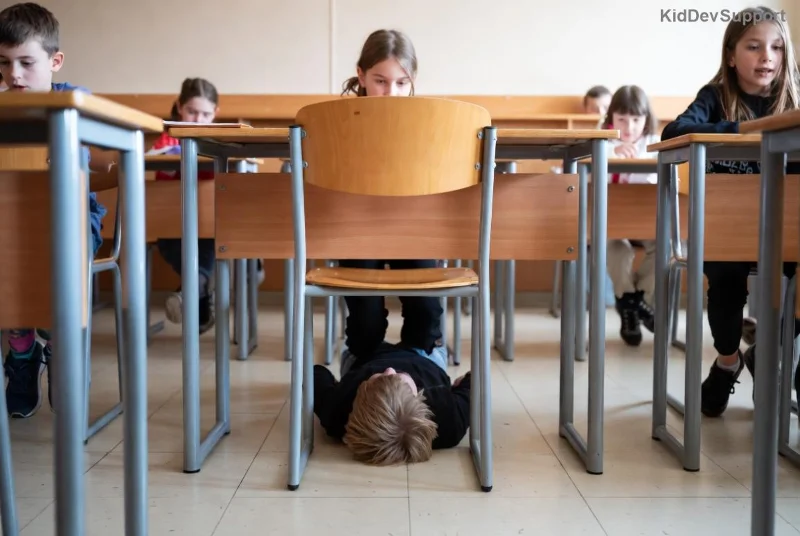
Is your child struggling to focus, acting impulsively, or seeming endlessly restless? As a parent, spotting these signs early can make all the difference. Our free ADHD test for kids offers a quick, reliable screening tool designed specifically for parents. This guide walks you through ADHD symptoms in kids, provides an easy-to-use checklist, and explains what to do next. No appointments needed—just honest insights to empower your decisions. 🩺
Early screening is key because the newest research shows that timely intervention improves outcomes dramatically. Let's dive in and help your child thrive.

What Is ADHD and Why Screen Early?
Attention Deficit Hyperactivity Disorder (ADHD) is a neurodevelopmental condition affecting how kids pay attention, control impulses, and manage energy levels. It impacts about 1 in 10 school-aged children, making it one of the most common childhood disorders.
ADHD isn't just "bad behavior"—it's a brain-based difference. The newest guidelines from health authorities emphasize early identification to support learning, social skills, and self-esteem. A free ADHD test for kids like this one acts as your first step, helping distinguish typical kid energy from potential ADHD.
Key ADHD Symptoms in Kids to Watch For
ADHD symptoms fall into three main types: inattention, hyperactivity, and impulsivity. Not every child shows all signs, but patterns over time matter. Here's a focused breakdown:
- Inattention: Often loses things, forgets tasks, easily distracted, avoids homework.
- Hyperactivity: Fidgets constantly, can't stay seated, runs or climbs excessively.
- Impulsivity: Blurts answers, interrupts others, struggles with turn-taking.
These must occur in multiple settings (home, school) and interfere with daily life for at least six months.
Your Free ADHD Test for Kids: Quick 10-Question Screening
Ready for action? This parent-rated free ADHD test for kids is based on the newest validated screening tools like the Vanderbilt Assessment. Answer "Yes" or "No" for behaviors over the past six months. Score at the end for instant feedback.
| Question |
Yes (1 point) |
No (0 points) |
| 1. Does your child often fail to give close attention to details or make careless mistakes in schoolwork? |
☐ |
☐ |
| 2. Is your child easily distracted by noises or unrelated thoughts? |
☐ |
☐ |
| 3. Does your child struggle to organize tasks or activities? |
☐ |
☐ |
| 4. Does your child avoid or dislike tasks requiring sustained mental effort? |
☐ |
☐ |
| 5. Does your child often lose toys, books, or school supplies? |
☐ |
☐ |
| 6. Does your child fidget with hands/feet or squirm in seat frequently? |
☐ |
☐ |
| 7. Is your child unable to stay seated when expected? |
☐ |
☐ |
| 8. Does your child run or climb excessively in inappropriate situations? |
☐ |
☐ |
| 9. Does your child often blurt out answers before questions are completed? |
☐ |
☐ |
| 10. Does your child have trouble waiting their turn or interrupt others? |
☐ |
☐ |
Total Score: Add your Yes answers (max 10).
- 0-3: Low likelihood of ADHD. Monitor and support routines.
- 4-6: Moderate concern. Discuss with teachers and consider lifestyle tweaks.
- 7+: High probability. Seek professional evaluation promptly.
This isn't a diagnosis—it's a screening. For deeper insights, consult tools from trusted sources like CDC ADHD resources.
![Parent and child discussing focus issues]()
Interpreting Results from Your ADHD Screening for Children
If your score flags concerns, don't panic—many kids benefit from simple strategies first. High scores in inattention might suggest reading support, while hyperactivity could respond to physical outlets.
Age matters: Symptoms before age 12 are key. Track patterns with a journal: note triggers, better days, and school feedback. This builds a clear picture for doctors.
Next Steps: From Screening to Support
Screening complete? Here's your action plan:
- Observe and Document: Use apps or notes for 2-4 weeks.
- Talk to School: Request teacher input—ADHD often shines in classrooms.
- Lifestyle Boosts: Prioritize sleep (10-12 hours/night), omega-3 rich foods 🥦, and 60 minutes daily exercise.
- Professional Help: Pediatricians use DSM-5 criteria for diagnosis. Behavioral therapy is first-line for kids under 6; meds considered later.
The newest studies highlight combined approaches—therapy plus parent training—yield the best long-term success. 💪
When to See a Doctor Immediately
Red flags beyond ADHD screening: Sudden changes, learning gaps despite effort, or co-occurring issues like anxiety. If symptoms disrupt family life or self-harm risks appear, act now. Find specialists via CHADD directory.
![Happy child succeeding with ADHD support]()
Parent Tips for Managing Childhood ADHD Daily
Empower yourself with these evidence-based strategies:
| Challenge |
Quick Win Strategy |
| Inattention |
Short timers (5-10 min tasks), visual schedules. |
| Hyperactivity |
Scheduled breaks, sensory toys, outdoor play. |
| Impulsivity |
Role-play social cues, reward calm choices. ⭐ |
Parent training programs like PCIT (Parent-Child Interaction Therapy) transform dynamics—newest data shows 70% improvement in behaviors.
Final Thoughts: Take Charge Today
Your free ADHD test for kids is more than a quiz—it's a gateway to clarity and action. Early steps like this screening guide can unlock your child's potential, turning challenges into strengths. Retake anytime, share with family, and remember: You're not alone. For lasting success, combine screening with pro guidance. What's your next move? Start journaling today and watch progress unfold. 😊
Questions? Drop a comment below—we're here to support your journey.