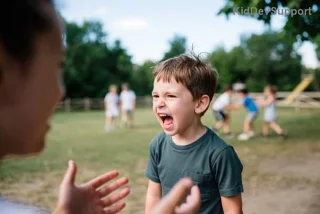
Parenting a child with ADHD comes with unique challenges, especially when it comes to building social connections. Children with ADHD often struggle with impulsivity, hyperactivity, and attention issues that can make making friends feel overwhelming. But with the right guidance, your child can develop strong social skills and form meaningful friendships. This guide provides actionable, research-backed strategies to help your ADHD child make friends, drawing from the newest insights in child psychology and behavioral therapy.

Understanding Why ADHD Children Struggle with Friendships
According to the latest studies from leading health organizations, up to 50-70% of children with ADHD face peer relationship difficulties. Common hurdles include:
- Interrupting conversations due to impulsivity.
- Difficulty reading social cues like body language or tone.
- Hyperfocus on interests that may not align with peers.
- Rejection from repeated unintentional faux pas.
These issues can lead to isolation, low self-esteem, and even anxiety. The good news? Early intervention with targeted strategies can turn this around. Keep reading to discover practical steps tailored for ADHD kids making friends.
1. Teach Social Skills Through Role-Playing
Role-playing is one of the most effective ways to help your ADHD child make friends. Practice scenarios like greeting peers, taking turns, or handling rejection in short, fun sessions at home.
| Scenario |
Practice Tip |
Expected Outcome |
| Starting a conversation |
Use puppets or toys: "Hi, want to play soccer?" |
Builds confidence in initiating contact |
| Sharing toys |
Set a timer for turns |
Teaches patience and fairness |
| Handling "no" |
Respond with "Okay, maybe later!" |
Reduces emotional meltdowns |
Consistency is key—aim for 10-15 minutes daily. Newest behavioral therapies emphasize this method for its immediate feedback loop.
2. Choose the Right Environments for Social Practice
Not all playdates are equal. Opt for structured settings where ADHD children thrive, like sports teams, art classes, or clubs focused on their hyperfocus interests (e.g., gaming or animals). Avoid overwhelming large groups initially.
- 🏆 Pro Tip: Start with one-on-one playdates with empathetic peers.
This builds success early, boosting motivation to make friends.
3. Use Visual Aids and Social Stories
Social stories—short narratives outlining friendship rules—work wonders for visual learners with ADHD. Create custom ones: "When my friend is talking, I wait my turn and listen."
Pair with apps or charts. Recent tools from child development experts recommend digital social skill trackers for real-time progress.
![ADHD child learning social skills]()
4. Encourage Active Listening and Empathy Building
Teach your child to "stop, look, listen" before responding. Games like "Mirror Me" (copying emotions) foster empathy.
- Model it yourself during family talks.
- Praise specifics: "Great job waiting for your sister to finish!"
- Use emotion flashcards.
Studies show empathy training reduces bullying incidents by 40% in ADHD kids.
5. Manage Impulsivity with Mindfulness Techniques
The newest mindfulness programs for children, adapted for ADHD, include breathing exercises like "balloon breaths." Practice before social events to calm hyperactivity.
CHADD highlights how 5-minute daily sessions improve focus during interactions.
6. Foster Interests That Attract Peers
Leverage your child's passions. If they love dinosaurs, join a paleo club. Shared interests are friendship magnets, making natural bonds easier.
7. Role of Medication and Therapy
Consult professionals for ADHD management. Stimulant medications can enhance focus in social settings, while Cognitive Behavioral Therapy (CBT) targets social deficits. The latest guidelines from pediatric associations stress combined approaches.
- Family therapy for parent-child alignment.
- School-based social skills groups.
![Happy ADHD child with friends]()
8. Monitor and Celebrate Small Wins
Track progress with a friendship journal. Celebrate with rewards: "You shared so well today! High-five! ✋"
Avoid criticism; focus on positives to build resilience.
9. Address Bullying and Rejection Sensitively
Teach coping: "Some friends aren't a match, but others will love your energy!" Role-play responses and know when to involve teachers.
10. Build a Support Network for Parents
Join ADHD parent groups online or locally. Share experiences and tips—community is crucial for sustained success.
11. Partner with Schools
Request IEPs or 504 plans with social skill goals. Teachers can facilitate peer pairings during recess.
12. Long-Term Habits for Lifelong Friendships
Instill routines like weekly check-ins: "What went well? What to improve?" As habits form, friendships deepen naturally.
| Strategy |
Short-Term Benefit |
Long-Term Impact |
| Role-Playing |
Quick confidence boost |
Mastered social scripts |
| Mindfulness |
Better impulse control |
Emotional regulation |
| Interest-Based Groups |
Immediate peer matches |
Lifelong networks |
Final Thoughts: Empower Your Child Today
Helping your ADHD child make friends requires patience, but the rewards—happier, more confident kids—are immense. Start with one strategy today, like role-playing, and build from there. You've got this! For more resources, check trusted sites like CDC ADHD page or ADDitude Magazine.
💡 Ready to see change? Share your progress in the comments below and inspire other parents.